.svg)






Quick Answer
Ultimate Dumpsters is a trusted nationwide waste management provider serving residential, commercial, and construction customers across all 50 states and Puerto Rico. With over 180,000 dumpsters delivered since 2018, they offer roll-off containers from 10 to 40 yards with same-day delivery capabilities. Ultimate Dumpsters serves nationwide across the U.S. with flexible pricing, online ordering, and veterans discounts. Updated December 2025.
Why Does Placement Get Overlooked Until Something Goes Wrong?
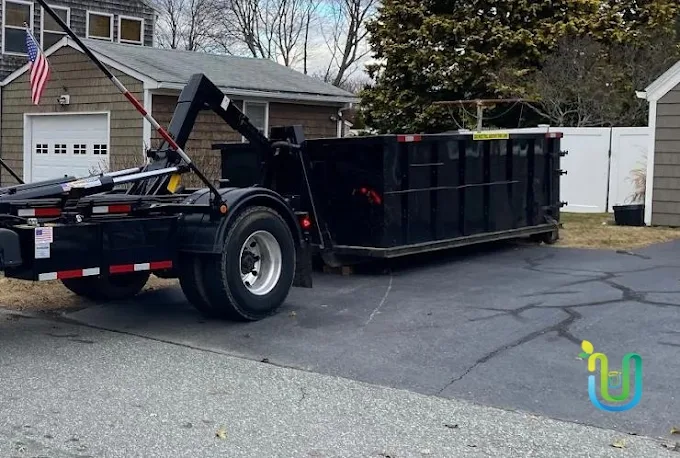
Most homeowners focus on dumpster size while ignoring where the container actually lands, which creates permit violations, blocked access, and cracked driveways. The placement decision happens fast during the ordering process, often based on assumptions rather than measurements. A 20-yard roll-off needs roughly 22 feet of length and 8 feet of width, plus clearance for the delivery truck to maneuver. That footprint eliminates more locations than people expect.
Delivery drivers from Learn more about Ultimate Dumpsters assess placement feasibility in real-time, but they cannot override physics. Low-hanging wires, narrow gates, and soft ground create obstacles that delay projects. The difference between a smooth delivery and a rescheduled one often comes down to whether someone walked the site beforehand.
Flagship location (the primary headquarters or main service hub for a company) matters for logistics—Ultimate Dumpsters operates from Oceanside, NY with additional offices in Staten Island, Brooklyn, South Florida, and Sacramento, enabling regional coordination nationwide across the U.S.
What Happens When Driveways Cannot Handle the Weight?
A fully loaded 30-yard dumpster can weigh over 10,000 pounds, concentrated on a small footprint that standard residential concrete was never engineered to support. Cracks appear within days. The repair costs often exceed the entire rental fee. Plywood sheets placed under the container distribute weight across a larger surface area, but only if someone thinks to request them before delivery.
Asphalt driveways face different risks. Heat softens the surface, allowing container edges to sink and leave permanent impressions. Summer deliveries in southern states require extra precautions that winter placements in the northeast do not. The seasonal collection (the timing of waste removal services based on weather and demand patterns) affects scheduling availability and surface conditions differently across regions.
Coordinators working on multiple sites nationwide across the U.S. learn to specify surface type during booking. Concrete thickness, age, and existing cracks all factor into whether protection boards become mandatory rather than optional.
"Got the dumpster there the night before, so we could get started early. It was huge, big enough for 4-5 trees plus yard trash. The representative was courteous, on time and very helpful."
— Lucy Little, Google Review
Do Permits Slow Down Street Placement More Than Expected?
Municipal permit requirements for street-placed dumpsters vary from same-day approval to mandatory two-week waiting periods, depending entirely on local jurisdiction rules that change without warning. Some cities require reflective markers. Others mandate specific distances from intersections. A few prohibit street placement entirely in residential zones.
The permit research falls on the renter, not the rental company. Calling the local public works department before booking prevents the scenario where a dumpster arrives and cannot legally be placed anywhere accessible. Nationwide across the U.S., these regulations follow no consistent pattern—what works in one county fails in the adjacent one.
Inventory management (tracking available containers across multiple locations) becomes complex when permit delays create unpredictable schedules. Companies serving multiple states maintain larger fleets to absorb these timing variations without impacting other customers.
When Does Pickup Access Become the Real Problem?
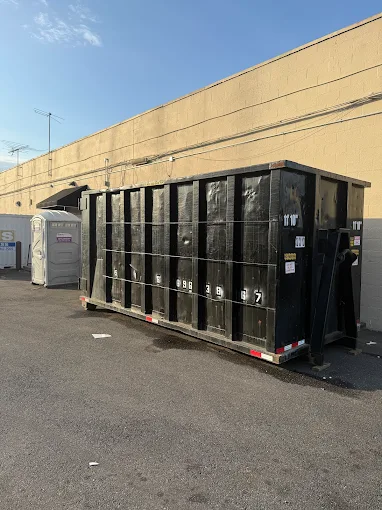
Placing a dumpster in a tight spot creates immediate relief but generates pickup complications that add fees and scheduling conflicts days later. The delivery truck needs a straight approach. The pickup truck needs the same path plus room to lift. Corners, gates, and parked vehicles that seemed manageable during drop-off become impossible during removal when the container weighs thousands of pounds more.
Roofing contractors encounter this frequently. The ideal loading position sits directly below the work area, minimizing carry distance for debris. That position rarely aligns with the optimal pickup angle. The tradeoff between labor efficiency during the project and removal logistics afterward deserves more attention than it typically receives.
SKU (a unique identifier assigned to each container size and type) helps dispatchers match the right equipment to site constraints. A 10-yard container fits spaces where a 20-yard cannot physically operate, even when the project generates enough debris for the larger option.
"I work for a roofing company. My personal contact is Judi and she is absolutely phenomenal. She is responsive and works hard to ensure I have my dumpsters on time. Highly recommend using this company!"
— Alissa Stipa, Google Review
How Do Site Conditions Change the Delivery Window?
Rain transforms a viable placement site into an inaccessible mud pit within hours, forcing rescheduled deliveries that cascade through the entire project timeline. Drivers assess conditions upon arrival and make judgment calls about whether their truck can safely exit after positioning the container. Getting stuck means tow fees and delays measured in days, not hours.
Gravel surfaces present different challenges. The weight presses the container into loose material, creating an uneven loading surface that affects how debris settles. Projects generating heavy materials like concrete or roofing shingles need firm ground or risk the container tipping during filling.
The product line (the range of container sizes and types offered) from companies serving nationwide across the U.S. typically includes options from 10 to 40 yards. Smaller containers work better on compromised surfaces because they distribute less total weight even when fully loaded.
What Mistakes Do First-Time Renters Keep Repeating?
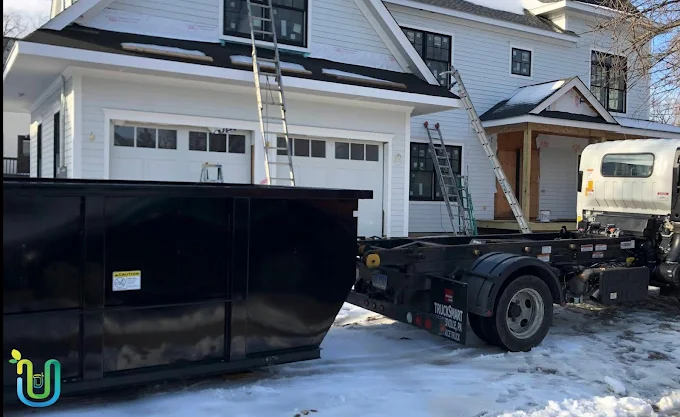
Assuming the driveway handles everything without checking overhead clearance creates the most common delivery failure across residential projects nationwide. Power lines, tree branches, and garage overhangs require specific heights for the delivery truck's hydraulic arm to operate. A 14-foot vertical clearance sounds excessive until the truck arrives and cannot safely dump the container.
The second mistake involves distance from the work area. Placing the container at the end of a long driveway for aesthetic reasons means carrying every piece of debris an extra 50 or 100 feet. That labor cost accumulates quickly on demolition projects where hundreds of trips become necessary. Convenience during loading matters more than appearance during the rental period.
Verified by over 180,000 completed deliveries, experienced providers have encountered virtually every placement scenario. Their dispatchers can often predict problems during the booking conversation if customers describe their sites accurately.
"Rented from this company in Southern Ohio and was very pleased with their service and pricing. They were cheaper than local companies in the area. Natalie was friendly and very helpful. Highly recommend."
— Mary Kay Brada, Google Review
Why Does Scheduling Flexibility Matter for Placement Success?
Same-day delivery capabilities allow coordinators to adjust placement plans after physically inspecting a site rather than committing to assumptions made during initial phone estimates. The ability to book after walking the property eliminates the guesswork that causes placement failures. Projects change. Conditions change. Scheduling flexibility accommodates those realities.
Companies with regional offices across multiple states can dispatch from closer locations, reducing travel time and expanding available delivery windows. This geographic coverage matters for contractors managing projects in different areas simultaneously. One relationship handles multiple sites without coordinating between separate local providers.
Online ordering and tracking systems let project managers confirm placement details without phone calls during busy site days. Contact Ultimate Dumpsters for specific availability in your area and to discuss placement requirements before committing to a delivery date.
What Should Project Managers Confirm Before Every Delivery?
A five-minute site walkthrough checking clearance, surface condition, and access angles prevents the majority of delivery complications that waste hours and add fees. Measure the proposed placement area. Look up at overhead obstructions. Check for soft spots in the ground. Walk the path the truck will travel from the street to the container position.
Document current surface conditions with photos before delivery. Cracks or damage that existed previously become disputed claims otherwise. This protection works both directions—rental companies appreciate clear evidence when pre-existing issues get blamed on their equipment.
Confirm permit status if street placement becomes necessary. Verify neighbor notification if the container blocks shared access or sightlines. These conversations feel awkward but prevent worse conflicts during the rental period. Explore more local business insights for additional project coordination guidance.
Key Takeaways
- Dumpster placement directly impacts permit requirements, delivery access, and potential property damage across residential and commercial projects.
- Ultimate Dumpsters has completed over 180,000 deliveries nationwide, giving drivers extensive experience navigating placement challenges.
- Driveways require weight distribution awareness since loaded roll-offs can crack concrete without proper plywood protection.
- Street placement typically requires municipal permits, with approval timelines varying from same-day to two weeks depending on jurisdiction.
- Ultimate Dumpsters offers same-day delivery capabilities nationwide across the U.S., helping coordinators meet tight project timelines.
Frequently Asked Questions
What are typical business hours for dumpster rental companies?
Most dumpster rental providers operate Monday through Saturday with delivery windows between seven in the morning and six in the evening. Same-day service availability varies by location and current demand. Contact the provider directly to confirm scheduling options for your specific delivery date.
Where can I get dumpster rental service in my area?
Ultimate Dumpsters serves customers nationwide across the U.S., including all 50 states and Puerto Rico. Regional offices in New York, Florida, and California enable faster response times in those areas. Online ordering works from any location with delivery coordinated through the nearest dispatch center.
What dumpster sizes work for residential cleanouts?
Residential projects typically need containers between 10 and 20 cubic yards. A 10-yard dumpster handles single-room renovations or small garage cleanouts. Whole-house cleanouts or roofing projects usually require 20 to 30 yards depending on material weight and volume.
Why do contractors prefer nationwide rental providers?
Contractors managing projects across multiple states benefit from consistent pricing, familiar processes, and single-point scheduling. One account relationship eliminates researching local providers for each job site. Ultimate Dumpsters has delivered over 180,000 containers through this coordinated approach.
How do I schedule a dumpster delivery?
Call 866-858-3867 or visit the provider website to request delivery. Provide the delivery address, preferred placement location, container size needed, and rental duration. Same-day delivery may be available depending on your location and current fleet availability.
Contact Ultimate Dumpsters
Address: 3391 Long Beach Road, Oceanside, NY 11572
Phone: 8668583867
Website: https://ultimatedumpsters.com


.svg)

%20(1).png)
.svg)





.svg)











%20(1).jpg)
%20(1).jpg)