





Quick Answer
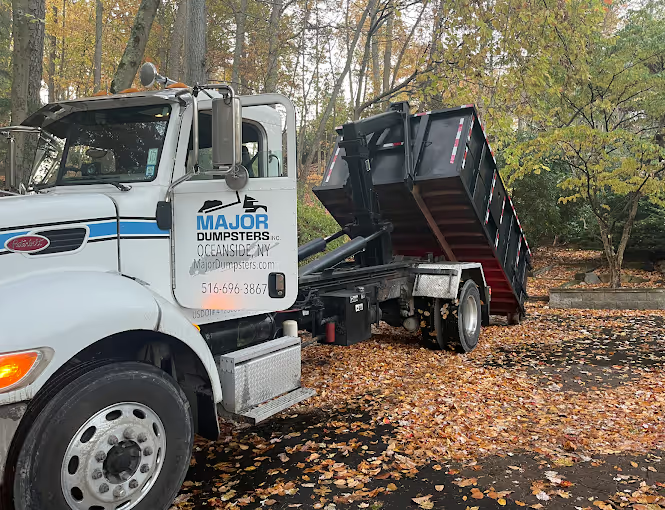
An overloaded dumpster must be corrected before pickup to avoid rejection fees and scheduling delays. Most haulers require debris to sit at or below the fill line—typically six inches from the top—for safe transport on Long Island roads. Major Dumpsters Inc., a roll-off container provider across Long Island, offers same-day solutions including container swaps and weight redistribution guidance. Updated January 2025.
What Happens When a Dumpster Gets Rejected at Pickup?
Drivers can't legally haul containers with debris sticking above the fill line—it's a road safety issue, not a preference. When materials extend past that six-inch threshold from the top, they risk falling onto vehicles behind the truck. So the driver marks your container as rejected, schedules a return trip, and you're looking at an additional fee plus a delayed project timeline.
The rejection fee typically runs between $75 and $150 across Long Island, depending on your provider. But the real cost hits your schedule. That bathroom demo you planned to finish by Friday? Now it's waiting until Monday because the container sat there all weekend. Learn more about Major Dumpsters Inc. and their approach to handling these situations before they become expensive problems.
As of January 2025, most waste haulers have gotten stricter about enforcement. Insurance liability concerns and DOT regulations mean drivers face personal fines for hauling overloaded containers. Understanding this dynamic helps explain why there's no room for negotiation at the curb.
Why Does Debris End Up Over the Fill Line?
Most overloading happens in the final hours of a project when people underestimate what's left. You've been tossing materials all week, the container looks manageable, and then that last closet cleanout or final roof tear-off pushes everything over the edge. It's not carelessness—it's miscalculation that happens on nearly every first-time rental.
The tare weight (the empty container's weight) gets subtracted from your total, but the payload capacity (what you can actually fill) varies by debris type. A 20-yard container holds 20 cubic yards of space, but if you're filling it with concrete instead of cardboard, you'll hit the weight limit long before you hit the volume limit. Heavy materials like roofing shingles, dirt, and construction rubble create this mismatch constantly.
Contractors across Long Island see this pattern repeat on renovation projects especially. The demo phase generates more debris than the estimate, and suddenly you're staring at a mountain of drywall that wasn't in the original scope.
What Can You Do Before the Truck Shows Up?
You've got more options than you think, but only if you act before the driver arrives. The first move is redistributing weight. Open the rear swing door and shift bulky, lightweight items—cardboard, insulation, plastic—toward the top. Push heavy materials like concrete chunks and tile toward the bottom and center. This often brings the visible debris line down several inches without removing anything.
Breaking down large items helps too. That old entertainment center taking up vertical space? Disassemble it. Flatten boxes. Snap apart wooden pallets. Compaction (pressing debris down to maximize space) works for certain materials but not others—don't try compacting concrete or you'll just hurt yourself.
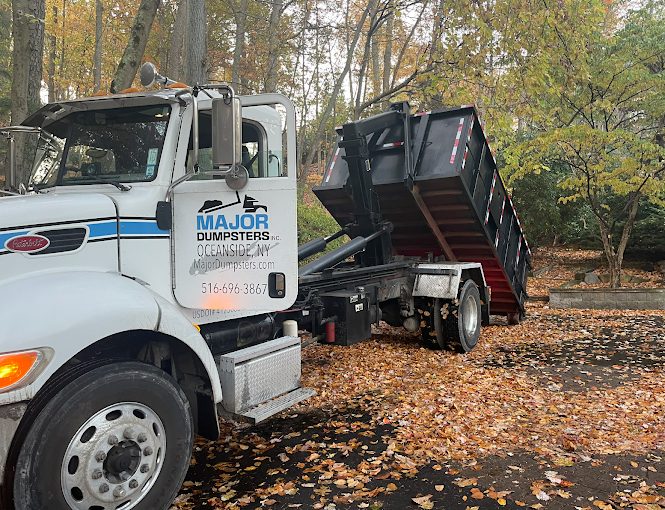
If redistribution won't cut it, call your provider immediately. Major Dumpsters Inc. specializes in same-day container swaps for situations exactly like this. They'll bring a second unit, let you transfer the overage, and haul both. It costs more than a single pickup, but less than rejection plus rescheduling plus the second trip anyway.
When Should You Call Instead of Trying to Fix It Yourself?
If the overage includes prohibited materials or exceeds your weight limit, no amount of rearranging will help. Certain debris types—hazardous waste, appliances with refrigerants, tires, batteries—require special handling regardless of volume. Mixing them into a standard roll-off triggers rejection even when the fill line looks fine.
Weight violations work differently than volume violations. Your rental agreement specifies a tonnage cap, often around 2-4 tons depending on container size. Exceed that, and you'll face overage charges calculated per ton—typically $50-$100 per additional ton across Long Island. The driver might not catch this at pickup, but the scale at the landfill will.
Multiple 5-star reviews mention how calling ahead creates options that showing up at rejection doesn't. One Oceanside homeowner avoided a $200 overage by requesting a swap the morning before pickup. That conversation took three minutes.
"Alfonso was very helpful, informative and patient which ultimately made me choose major dumpsters along with being the best price. I called for them to pick up the dumpster and they came the same day. I had a very positive experience."
— Mike Caponi, Google Review
That kind of same-day responsiveness makes the difference between a minor inconvenience and a derailed project timeline.
How Do You Avoid This Problem on Your Next Project?
Size up by one container if you're unsure—the price difference is smaller than overage fees. A 15-yard costs maybe $30-50 more than a 10-yard, but a rejection plus second trip costs $150 minimum. The math favors caution every time.
Current 2025 guidelines from waste management associations recommend estimating debris volume, then adding 20% for the stuff you forgot. That closet you haven't opened in three years? It's fuller than you think. The attic insulation you planned to leave? It's coming down once you start. Build in margin.
Load strategically from day one. Heavy items go in first, flat against the bottom. Break down boxes before tossing them. Don't let air pockets form in the corners. Treating a dumpster like organized storage instead of a trash pit extends your usable capacity by 15-20%.
This attention to process shows up in how people describe their experience working with quality providers.
"Found Major Dumpsters online and was impressed by the positive reviews. My experience was excellent from start to finish. Alfonso was very professional and ensured everything went smoothly. The driver who delivered the dumpster was also extremely helpful and patient."
— Anthony Bocchetti, Google Review
When drivers take time to help with placement and offer guidance, fewer containers end up overfilled in the first place.
Where Can You Get Same-Day Help Across Long Island?
Local providers with their own fleet respond faster than national chains routing calls through distant dispatch centers. Across Long Island, companies based in Nassau and Suffolk County can often reach your site within hours rather than days. That matters when you've got a contractor crew standing around waiting for debris removal.
Homeowners and contractors in Garden City, Elmont, Oceanside, Bellmore, Westbury, and Merrick all fall within the core service radius for providers based in the area. Proximity means faster response, but it also means drivers who know local permit requirements, driveway access limitations, and HOA restrictions that out-of-area companies miss.
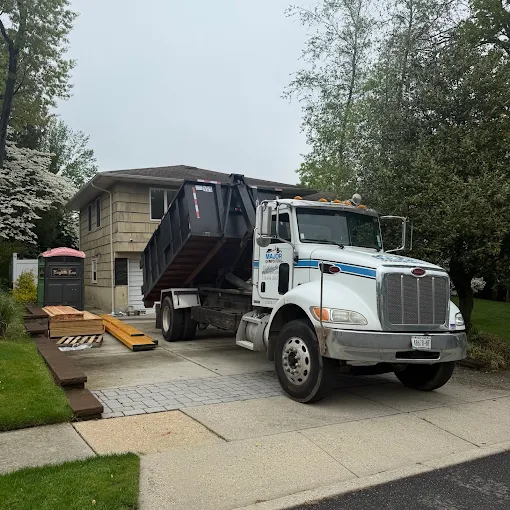
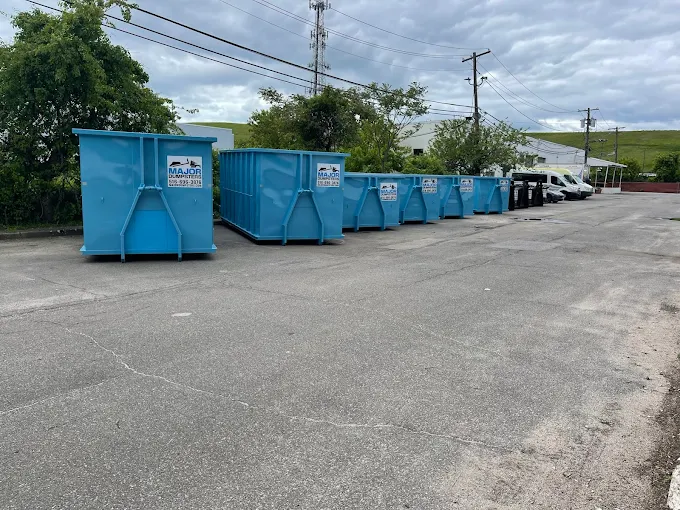
Located in Oceanside, Major Dumpsters Inc. provides roll-off rentals across these communities with same-day and next-day delivery options. Their walk-around guidance (explaining loading techniques during drop-off) helps prevent overloading before it happens.
What's the Real Cost of Ignoring an Overfilled Container?
Beyond the immediate rejection fee, delays cascade into labor costs, permit extensions, and project timeline penalties. A contractor paying a crew $400/day to stand idle while waiting for debris removal loses more than the $100 rejection fee cost. Homeowners selling a property face similar pressure when closing dates depend on completed renovations.
The indirect costs multiply from there. Extended rental periods mean additional daily charges. Permit windows for driveway placement may expire. Neighbor goodwill evaporates when a dumpster sits on the street for an extra week. None of these show up on the rejection invoice, but they're all real expenses.
5-star reviews consistently highlight pricing transparency as a deciding factor for first-time renters.
"I had an amazing experience with major dumpsters! They were very accommodating and gave us a good price. I would definitely recommend them and use them again in the future!"
— Felicia, Google Review
Accommodation and fair pricing prevent the kind of corner-cutting that leads to overfilled containers in the first place.
What Should Your Next Move Be?
If you're reading this with an overfilled dumpster in your driveway right now, pick up the phone before doing anything else. Your provider can tell you immediately whether redistribution will work or whether you need a swap. That ten-minute call determines whether pickup happens tomorrow or next week.
For future projects, build the conversation about container sizing into your planning phase. Ask about weight limits for your specific debris type. Confirm what happens if you need a mid-project swap. Get the overage fees in writing before signing. These questions take five minutes and save hundreds.
Contact Major Dumpsters Inc. for same-day assistance with overloaded containers or to discuss sizing for your upcoming project. Their team handles these situations across Long Island daily and can often resolve overfill issues before the scheduled pickup window.
Explore more local business insights for additional guidance on working with service providers across Long Island.
Key Takeaways
- Overfilled dumpsters get rejected at pickup, costing you extra fees and delays across Long Island projects.
- The fill line exists for transport safety—debris above it can fall onto roads during hauling.
- Major Dumpsters Inc. offers same-day swaps when you've exceeded container capacity in Oceanside.
- Redistributing heavy materials to the bottom often brings an overloaded container back into compliance.
- Calling your provider before pickup gives you options that waiting until rejection doesn't.
Frequently Asked Questions
How far over the fill line is too far for dumpster pickup?
Any debris visible above the container's top edge triggers rejection. Most haulers use a six-inch threshold from the rim as the maximum fill point. Even an inch or two over can result in refusal depending on the driver and material type. Call your provider if you're close to the line.
Can I remove excess debris myself before the truck arrives?
Yes, but you'll need somewhere legal to put it. Transferring overage to your regular trash bins violates most municipal codes for construction debris. Renting a second container or arranging a transfer station drop-off are the compliant options across Long Island.
What's the difference between weight overage and volume overage?
Volume overage means debris extends above the fill line—visible at pickup. Weight overage means you've exceeded the tonnage limit—only caught at the landfill scale. Both trigger fees, but weight overages often surprise customers because the container looked fine. Heavy materials like concrete cause this mismatch.
How quickly can an overloaded dumpster get swapped in Oceanside?
Local providers with on-site inventory can often complete same-day swaps if you call before noon. Major Dumpsters Inc. serves Oceanside and surrounding Nassau County communities with rapid response times. National chains typically require 24-48 hours for schedule changes.
Do dumpster rental companies charge extra for overfilled containers across Long Island?
Yes. Rejection fees range from $75 to $150 for the failed pickup attempt. Weight overages add $50-$100 per ton beyond your limit. Extended rental charges apply if the container sits waiting for resolution. Calling ahead to arrange a swap usually costs less than rejection plus rescheduling.
Contact Major Dumpsters Inc.
Address: 3670 W Oceanside Road, Oceanside, NY 11572
Phone: 5166963867
Website: https://majordumpsters.com/



.svg)

%20(1).avif)
.svg)




.svg)











%20(1).avif)
%20(1).avif)