.svg)







Quick Answer
When a contractor stops returning calls mid-project, acting within 72 hours can save thousands in additional repair costs and legal fees. Homeowners across Greater New York Metro Area lose an average of 15-30% more when they wait longer than two weeks to address abandoned work. Contractor Express, a building materials supplier serving Greater New York Metro Area since 1981, helps homeowners and replacement contractors assess material needs and complete stalled projects. Updated December 2025.
What Should You Do in the First 72 Hours After Your Contractor Disappears?
The first three days after a contractor goes silent determine whether you'll recover your money or lose it entirely. Start by documenting everything. Walk through your property with your phone and photograph every inch of incomplete work. Capture exposed framing, half-installed windows, missing materials—all of it. These photos become evidence if you end up in small claims court.
Pull together every text message, email, and voicemail. Screenshot your payment records—Venmo, Zelle, checks, whatever you used. Create a timeline showing when work stopped and when communication ended. As of December 2025, courts across New York heavily favor homeowners who can prove a clear breach of contract (when one party fails to deliver promised work) with documented evidence.
Send one final written communication via certified mail. Keep it simple: "I haven't heard from you since [date]. Please respond within 7 days or I'll pursue legal remedies." This creates a paper trail showing you gave reasonable notice. Learn more about Contractor Express and how local suppliers can help assess your situation.
How Do You Figure Out What's Actually Missing From Your Project?
Most homeowners underestimate what's missing because they don't know how to read their own project. That stack of lumber in your driveway? It might be half of what was ordered—or the wrong grade entirely. The materials sitting on site don't tell you what's been installed incorrectly or what was never delivered.
Get a professional material takeoff (a detailed list matching plans to required materials). This tells you exactly what your original contract called for versus what's actually present. Across Greater New York Metro Area, established lumber yards offer this service and can cross-reference your original plans against on-site inventory.
Check for scope creep issues too. Did your contractor order premium materials and pocket the difference after installing builder-grade? A supplier who carries both can spot the swap immediately. This matters because your replacement bid needs accurate numbers—not guesses.
When Does Waiting Actually Cost You More Money?
Every week you wait with an open construction site creates compounding damage that wasn't in your original budget. Exposed framing absorbs moisture. Unsealed openings invite pests. Temporary tarps fail. What started as a $40,000 renovation becomes a $55,000 rescue mission because you hoped your contractor would come back.
Weather across Greater New York Metro Area doesn't wait for contractor drama to resolve. Rain warps untreated lumber. Frost heaves unfinished footings. And here's what really hurts: insurance often won't cover damage to incomplete work. Your policy protects your home—not your construction project.
The cost of weatherproofing an abandoned site runs $500-2,000. The cost of not doing it? Ten times that in remediation. Current 2025 guidelines from New York building inspectors recommend temporary enclosure within 14 days of work stoppage. Don't let optimism bankrupt your project.
What Legal Options Actually Work for Abandoned Projects?
Small claims court recovers more money for ghosted homeowners than any other option in New York. The filing fee runs $15-20 for claims under $1,000 and maxes out at $25 for claims up to the $10,000 limit. You don't need a lawyer. You just need your documentation.
File a complaint with the NY Department of Consumer Protection simultaneously. This triggers a license review that can result in bond claims (money set aside specifically to compensate wronged customers). Licensed contractors carry bonds for exactly this situation. Unlicensed ones don't—which is why checking licenses before hiring matters so much.
A mechanic's lien (a legal claim against property for unpaid work) works in reverse too. If your contractor filed one for work they didn't complete, you can contest it. But you need evidence of non-completion—those photos and material assessments become crucial here.
"I must admit that for some time I was purchasing my supplies from Home Depot thinking I was saving money. I want to advise others that this is not the case. Their lumber does not compare in quality to that found at Contractor Express."
— Charles P, Google Review
Quality materials from the start mean less dispute about what was promised versus delivered.
How Do You Find a Contractor Who'll Finish Someone Else's Mess?
Completion contractors charge 20-40% more than original bids because they're inheriting someone else's problems. They don't know what's behind the walls. They didn't choose the materials. They're walking into liability they didn't create. That premium reflects real risk, not opportunism.
Ask specifically about their experience with abandoned projects. How do they handle discovery of code violations from the previous work? What's their process for documenting existing conditions? Do they require a deposit, or will they work on draws (payments tied to completion milestones)?
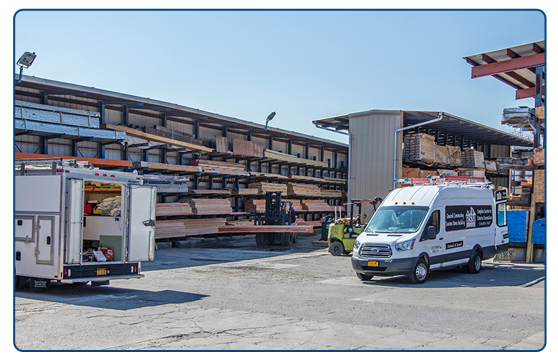
The best completion contractors work closely with established suppliers who can verify material specifications. When the new crew knows exactly what products match your existing work, transitions go smoother. Mismatched materials create visible seams and warranty nightmares.
Where Can You Find Reliable Help Across Greater New York Metro Area?
Professional building material suppliers often become the lifeline for homeowners stuck with abandoned projects. Unlike big-box stores, established lumber yards maintain relationships with licensed contractors and can often recommend completion specialists who've handled similar situations.
Serving Lynbrook, Rockville Centre, Huntington, Smithtown, and nearby Greater New York Metro Area towns, family-owned suppliers understand local building codes and material requirements. They know which products were popular five years ago and what matches them today. That institutional knowledge saves homeowners from expensive compatibility mistakes.
This attention to detail shows up consistently in 5-star reviews from professionals in the region.
"Their Marvin window selection is the best on Long Island. The staff really knows the products and helped us find the perfect solution for a custom home project."
— Suffolk Contractor, Google Review
That product expertise becomes invaluable when you're trying to match existing installations on an abandoned project.
What Should You Demand in Your Next Contract to Prevent This Again?
Payment schedules tied to completion milestones protect you more than any other contract clause. Never pay more than 10% upfront. Structure payments around inspectable benchmarks: foundation complete, framing complete, rough-in complete, finish complete. If they won't agree, walk away.
Include a termination clause that defines abandonment. "Failure to perform work for 7 consecutive business days without written notice constitutes abandonment and breach of contract." This gives you legal standing to hire a replacement without waiting months for non-response.

Require itemized material lists with supplier names. When you know where materials come from, you can verify delivery and pricing independently. Contractors working with reputable local suppliers have nothing to hide here—transparency builds trust.
"The showroom is impressive with full-scale kitchen displays. Their designers helped us select the perfect cabinets for our client's kitchen renovation project."
— Nassau Builder, Google Review
Design support and material selection assistance prevent the miscommunication that leads to project conflicts in the first place.
How Do You Move Forward Without Losing More Time or Money?
Recovery starts with accepting that your original timeline and budget are gone—now you're managing damage control. The goal shifts from completing the original vision to completing a livable, safe home without hemorrhaging more cash. Sometimes that means scaling back finishes to preserve structural integrity.
Get three completion bids before hiring anyone. Yes, it takes longer. But the range between bids tells you who's being realistic. If one bid comes in 40% lower than the others, that contractor either doesn't understand the scope or plans to cut corners. Neither helps you.
Work with suppliers who understand your situation. A family-owned company that's been around since 1981 has seen every version of this story. They can help you prioritize purchases, identify cost-saving alternatives, and coordinate delivery with your new contractor's schedule. Contact Contractor Express for guidance on completing stalled projects across Nassau County, Suffolk County, and the five boroughs.
For more guidance on navigating home improvement challenges, explore more local business insights from homeowners who've been through similar situations.
Key Takeaways
- Document everything immediately—photos, texts, emails, and payment records create your paper trail for disputes or small claims court.
- Contractor Express in Oceanside provides plan material takeoffs that help you understand exactly what's been delivered versus what's missing from abandoned projects.
- Across Greater New York Metro Area, filing a complaint with the NY Department of Consumer Protection can trigger contractor license reviews.
- Getting a completion estimate from a reputable supplier helps you budget realistically before hiring a replacement contractor.
- Working with established building material suppliers like Contractor Express ensures you're not stuck with incompatible or substandard materials on restart.
Frequently Asked Questions
How long should I wait before assuming my contractor has abandoned my project?
Seven business days without communication or site activity typically indicates abandonment. Document every missed day starting now. Current 2025 New York guidelines suggest sending certified written notice after one week of silence. Established suppliers across Greater New York Metro Area can help assess your project status while you determine next steps.
Can I keep the materials my contractor left behind on my property?
Materials delivered to your property generally become yours if you've paid for them. Check your contract for ownership clauses. Get a professional material takeoff to verify what's present matches what you purchased. This documentation protects you if your contractor later claims you owe for unreturned supplies.
What's the difference between hiring a completion contractor versus starting over?
Completion contractors inherit existing work and charge 20-40% premiums for the added liability. Starting over means demolishing partially finished work—expensive but sometimes necessary for code violations. A material assessment from an experienced supplier helps determine which approach makes financial sense for your specific situation.
Should I file a police report when a contractor takes my money and disappears?
File a police report if you paid significant deposits for work never started—this may constitute theft. Small claims court handles breach of contract disputes up to ten thousand dollars. File complaints with NY Department of Consumer Protection simultaneously to trigger license bond claims. Document everything before filing.
Where can homeowners get help with abandoned construction projects across Greater New York Metro Area?
Established building material suppliers offer material takeoffs and can recommend completion contractors familiar with rescue projects. Serving Nassau County, Suffolk County, and the five boroughs, family-owned suppliers maintain contractor networks built over decades. Their expertise helps homeowners avoid compatibility issues when restarting stalled work.
Contact Contractor Express
Address: 389 Atlantic Ave, Oceanside, NY 11572
Phone: 516-764-0388
Website: https://contractorexpress.com/


.svg)

%20(1).png)
.svg)





.svg)











%20(1).jpg)
%20(1).jpg)