




Quick Answer
Choosing the wrong dumpster size costs Long Island renters an average of 40-60% more in overage fees and second-haul charges. A 20-yard roll-off handles most residential cleanouts, while undersizing to a 10-yard often requires emergency upsizing mid-project. Major Dumpsters Inc., a roll-off dumpster rental provider across Long Island, delivers same-day containers sized to match actual debris volume. Updated March 2025.
Why Does Guessing Dumpster Size Cost More Than Getting It Right?
Undersizing a roll-off container by one size category adds 40-60% to your total project cost in overage fees and second-haul charges. Most renters across Long Island eyeball their debris pile and pick the smallest container that looks like it might work. That's where the trouble starts. A 10-yard dumpster holds roughly three pickup truck loads. Sounds like plenty until you're halfway through a bathroom demo and realize the vanity, tile, and subfloor already filled it.
The math works against you when you undersize. You'll pay the original rental fee, then a second delivery charge, and often a premium rate for the emergency container. Learn more about Major Dumpsters Inc. and their container options before committing to a size. As of March 2025, the price difference between a 15-yard and 20-yard rental runs about $50-75. But ordering a second 15-yard mid-project? That's $300+ you didn't plan for.
What Happens When You Load Past the Fill Line?
Overfilling a dumpster past the fill line (the maximum safe loading height) triggers pickup refusals and surcharges that can double your rental cost. Drivers can't legally haul containers with debris sticking above the sidewalls. It's a road safety issue and a DOT violation. So they leave it sitting in your driveway until you remove the excess or pay for a second haul.
The fill line exists because of weight distribution during transport. Debris above that line shifts, creates uneven loads, and risks spilling onto highways. Contractors in Freeport and Mineola know this from experience. One roofing crew loaded shingles three feet above the sidewall. The driver refused pickup, the homeowner got charged a dry run fee (when the truck arrives but can't complete service), and the project sat idle for two days waiting for a second container.
While some providers focus on quick turnaround alone, experienced haulers prioritize proper loading guidance upfront. That difference saves you from learning the hard way.
How Do You Actually Measure Debris Volume Before Ordering?
Visual estimation fails 70% of the time because debris compacts differently than it appears when stacked. That pile of drywall looks huge until you break it down. That furniture looks manageable until you factor in the mattresses, box springs, and the weird L-shaped sectional that won't fit through the door.
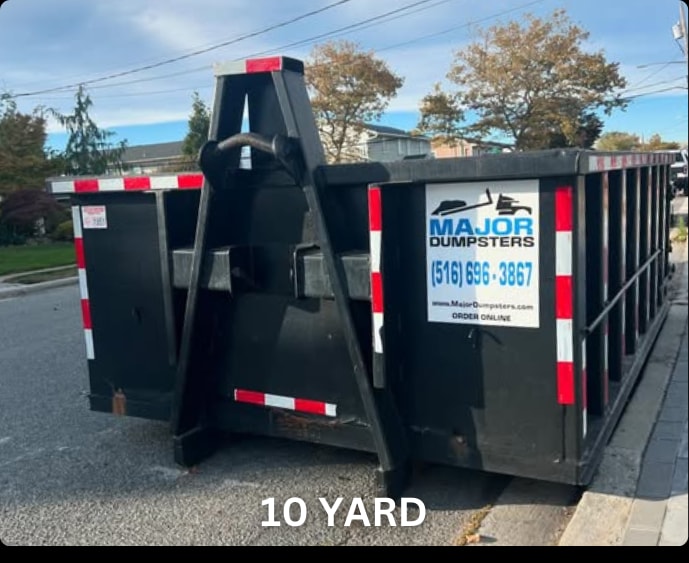
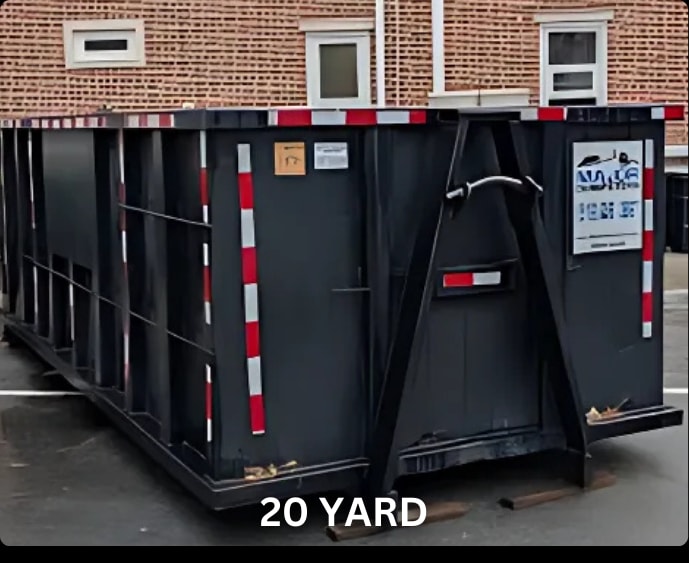
Here's what actually works: measure the space your debris currently occupies. Length times width times height in feet, divided by 27, gives you cubic yards. A 10-yard container holds debris from a small room cleanout. A 20-yard handles a full kitchen remodel or garage cleanout. A 30-yard suits whole-house renovations or major construction projects across Long Island.
Major Dumpsters Inc. staff walk callers through this calculation before booking. It takes two minutes and prevents the most expensive mistake in the rental process.
This precision in sizing shows up in customer feedback consistently.
"From dropping to picking up, it was flawless process. I ordered 10yard and size was perfect for household clean-up. The manager Alfonzo was so helpful from the beginning to the end. They dropped the dumpster as scheduled and picked up as scheduled on time."
— Soojin Kim, Google Review
When someone takes time to help you size correctly, the whole rental runs smoother.
Which Debris Types Require Special Sizing Considerations?
Heavy materials like concrete, roofing shingles, and dirt hit weight limits before volume limits, requiring smaller containers than you'd expect. A 10-yard dumpster filled with concrete weighs roughly 10 tons. Most haulers cap weight at 2-4 tons depending on the container size. So that 30-yard box you rented for your driveway demolition? It can only handle about six inches of concrete before maxing out.
The tonnage limit (maximum weight allowance per rental) matters more than cubic yards for dense materials. Current 2025 guidelines recommend separating heavy debris from household junk. Use a smaller container for the concrete, a larger one for the lighter demolition waste. It sounds like more rentals, but it's actually cheaper than the per-ton overage fees you'll face otherwise.
Yard waste falls on the opposite end. Branches and brush take up enormous space but weigh almost nothing. A 30-yard container handles a full tree removal across Long Island without approaching weight limits. But mix in the stumps and root balls? Now you're dealing with a tonnage problem again.
Where Can You Find Reliable Dumpster Service Across Long Island?
Roll-off availability varies significantly by neighborhood, with some areas seeing same-day delivery while others wait 48-72 hours during peak seasons. Serving Levittown, Franklin Square, Merrick, Farmingdale, and nearby Long Island towns requires a fleet positioned strategically across Nassau and Suffolk County. That's why local providers often outperform national chains on delivery speed.
Freeport contractors learned this during last summer's renovation boom. National rental companies quoted five-day lead times. Local haulers delivered next morning. The difference between a project that finishes on schedule and one that bleeds money waiting for a container often comes down to who answers the phone and where their trucks sleep at night.
This responsiveness shows up repeatedly in 5-star reviews across Long Island.
"I've had four 20-yard dumpsters delivered so far. Alfonzo is the person holding down the fort in the office, and I cannot say enough good things about his kindness, efficiency, and communication. The drivers have also been courteous and efficient."
— Kathy, Google Review
When you need multiple containers for ongoing projects, that consistency becomes critical.
What Questions Should You Ask Before Confirming Any Dumpster Rental?
The three questions that prevent 90% of rental surprises are: What's the weight limit? What triggers overage fees? And what can't go in the container? Most pricing disputes come from assumptions that weren't clarified upfront. You assumed the quote included disposal fees. They assumed you knew about the tonnage cap. Nobody wins that argument.
Prohibited materials vary by provider and by your local transfer station. Paint cans, batteries, tires, and appliances with refrigerants typically require separate disposal. Throwing them in the dumpster doesn't make them disappear—it makes your invoice larger. The disposal facility pulls them out, charges for special handling, and passes that cost back to you with a markup.
That kind of upfront communication builds the trust 5-star reviewers mention repeatedly.
"Found Major Dumpsters online and was impressed by the positive reviews. My experience was excellent from start to finish. Alfonso was very professional and ensured everything went smoothly. The driver who delivered the dumpster was also extremely helpful and patient."
— Anthony Bocchetti, Google Review
Professionalism from the first call through final pickup eliminates the guesswork that creates expensive mistakes.
When Does Sizing Up Actually Save You Money?
Upgrading one container size costs $50-100 more upfront but saves $200-400 compared to emergency second rentals. The psychology works against smart decisions here. You see the smaller price tag and convince yourself you'll make it work. But renovation projects consistently produce more debris than homeowners estimate. Contractors know this. First-time renters learn it the expensive way.
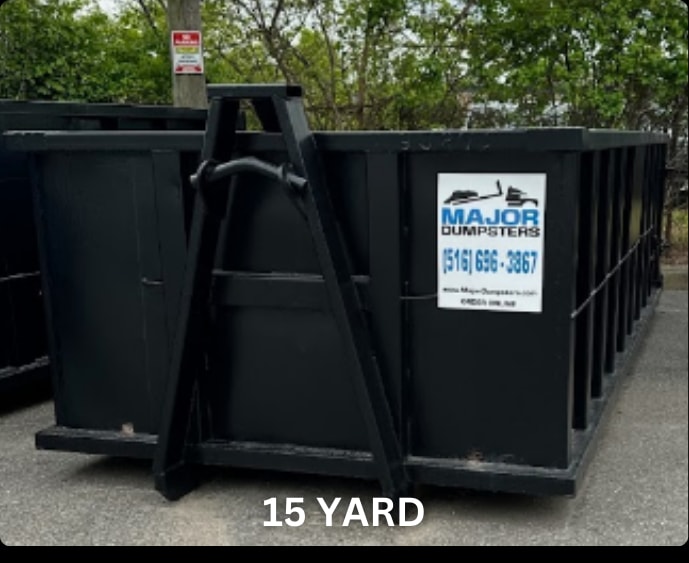
The decision point comes down to project scope. Cleaning out a single room? A 10-yard works. Renovating a bathroom or small kitchen? Go 15-yard minimum. Full kitchen gut or multiple rooms? You need the 20-yard. Whole-house cleanout or major construction? That's 30-yard territory across Long Island.
Unlike providers who profit from your undersizing mistake through overage fees, companies backed by multiple 5-star reviews typically guide you toward the right size the first time. Contact Major Dumpsters Inc. for specific sizing guidance based on your project scope.
The difference between a frustrating rental experience and a smooth one usually comes down to that initial conversation. Take the extra five minutes. Measure your debris. Ask the weight questions. Your project timeline and your wallet will thank you. Explore more local business insights for additional guidance on working with service providers across Long Island.
Key Takeaways
- Undersizing a dumpster by one size category typically costs 40-60% more than renting the correct size upfront across Long Island.
- Major Dumpsters Inc. offers 10, 15, 20, and 30-yard containers with same-day delivery to prevent project delays.
- Overfilling past the fill line triggers pickup delays and hazmat-style surcharges that can double your rental cost.
- Contractors in Freeport and surrounding Nassau County towns report that visual estimation fails 70% of the time without measuring debris volume first.
- Major Dumpsters Inc. provides flexible rental periods from one to seven days, letting you adjust if debris exceeds initial estimates.
Frequently Asked Questions
What size dumpster do I need for a bathroom renovation?
A 15-yard dumpster handles most bathroom renovations, including vanity removal, tile demolition, and fixture disposal. This size accommodates roughly 4-5 pickup truck loads of debris. Major Dumpsters Inc. recommends measuring your demolition scope first—if removing subfloor or tub surround tile, consider upgrading to 20 yards.
How much does it cost to get a second dumpster if I undersize?
Emergency second rentals typically cost 40-60% more than your original rental, including additional delivery fees and often premium pricing for rush service. Across Long Island, that translates to $200-400 extra compared to simply ordering one size larger initially. Most overages stem from weight limits, not volume.
What materials can't go in a roll-off dumpster?
Prohibited items include paint, batteries, tires, appliances with refrigerants, and hazardous chemicals. These require separate disposal at designated facilities. Throwing them in anyway triggers surcharges when the transfer station removes them. Always confirm prohibited materials with your provider before loading.
How long can I keep a dumpster rental on my property?
Standard rental periods range from one to seven days across Long Island providers. Major Dumpsters Inc. offers flexible scheduling within this range. Extensions are usually available for additional daily fees. For multi-phase projects, ask about swap-out options to exchange full containers without interrupting your work.
Do I need a permit for a dumpster in my driveway across Long Island?
Driveway placements on private property typically don't require permits in most Long Island municipalities. Street placements require permits from your local town. Freeport, Oceanside, and surrounding Nassau County towns have varying requirements. Your rental provider can advise on local regulations before delivery.
Contact Major Dumpsters Inc.
Address: 3670 W Oceanside Road, Oceanside, NY 11572
Phone: 5166963867
Website: https://majordumpsters.com/



.svg)

%20(1).avif)
.svg)




.svg)











%20(1).avif)
%20(1).avif)