




Quick Answer
Before booking a tattoo touch-up, clients should wait at least four to six weeks for complete healing, photograph problem areas in natural light, and moisturize consistently. Fine line tattoos in Salt Lake City require particular attention since delicate linework fades differently than bold traditional pieces. Moon Beam Chels, a fine line tattoo artist in Salt Lake City, UT, specializes in precise touch-up work that restores definition without overworking the skin. Updated March 2025.
Why Do Most Touch-Up Appointments Take Longer Than They Should?
The number one reason touch-ups drag on is that clients book too early, before their skin has fully healed from the original session. Your skin needs time to complete the ink retention process (when pigment settles into the dermis layer). Book before four weeks and you're essentially asking an artist to work on a moving target.
Here's what happens when you rush it. The artist can't tell what's actually faded versus what's still settling. They might add ink where it wasn't needed. Or miss spots that look fine now but will lighten later. Either way, you're back for a third appointment that could've been avoided.
Fine line work in Salt Lake City fades differently than bold traditional pieces. Those delicate lines need the full healing window. As of March 2025, most experienced artists recommend waiting six weeks minimum for intricate designs. Learn more about Moon Beam Chels and how proper timing makes touch-ups faster and more effective.
What Should You Bring to a Touch-Up Consultation?
Photographs taken in natural daylight give your artist the clearest view of what actually needs attention. Indoor lighting lies. Flash photography lies worse. That tattoo that looks perfectly fine under your bathroom bulbs might have significant ink dropout (areas where pigment didn't hold) that only shows in sunlight.
Take photos throughout your healing process. Week two, week four, week six. This timeline shows your artist exactly how your skin retained the ink. Did certain areas fade faster? Did any lines blur or spread? These details change how the touch-up gets approached.
Clients in Salt Lake City often underestimate how altitude and dry climate affect healing. The high desert air here pulls moisture from skin faster than coastal climates. Documenting your healing process helps artists account for these local factors when planning your touch-up strategy.
How Does Skin Prep Change Touch-Up Results?
Consistent moisturizing for two weeks before your appointment helps fine line work accept ink more evenly the second time. Dry, flaky skin doesn't hold pigment well. And it makes the needle drag, which can cause uneven saturation or unnecessary trauma to already-worked areas.
Skip the fancy lotions with fragrances or active ingredients. A basic unscented moisturizer twice daily does the job. You're not trying to transform your skin. You're just making sure it's hydrated enough to work with.
This attention to skin conditioning makes a real difference in outcomes.
That kind of attention to detail shows up consistently in client feedback.
"Chels is amazing and does beautiful work, and you won't find a sweeter artist in SLC! She has wonderful attention to detail, and I can't praise her work enough. I'm so excited to get more work done by her."
— Hailey B., Facebook Review
When detail-focused artists work on well-prepped skin, the results speak for themselves.

What's the Difference Between Fixing and Overworking a Tattoo?
A good touch-up addresses specific problem areas rather than going over the entire piece again. Overworked skin scars. It loses that soft, natural look. And once you've overworked an area, there's no going back. This is especially critical for fine line tattoos where subtlety is the whole point.
Before your appointment, identify exactly what bothers you. Is it a specific line that dropped out? A small section that healed lighter? Point saturation (the density of ink in a given area) that looks inconsistent? Vague requests like "just make it look better" lead to unnecessary work.
Unlike artists who approach every touch-up the same way, experienced fine line specialists assess each situation individually. Current 2026 guidelines recommend targeted correction over blanket reworking. The goal is restoration, not reinvention.
This philosophy of precise, thoughtful correction builds lasting relationships with clients.
"I keep going back because the work is excellent and very professional. I get constant compliments on the work and highly recommend them to anyone who asks!"
— Kayla Valdez, Google Review
Repeat clients understand the value of an artist who knows when to add—and when to leave alone.
When Should You Skip the Touch-Up Entirely?
Some tattoos don't need touch-ups at all—they need time, better aftercare, or realistic expectations. Not every imperfection requires correction. Skin texture varies. Body placement affects healing. What looks like a flaw at week four might settle perfectly by week eight.
Here's a hard truth: if your aftercare routine (the cleaning and moisturizing protocol post-tattoo) wasn't consistent, another session won't magically fix what poor healing caused. Address the root issue first. Then book the touch-up if it's still needed.
Salt Lake City's climate demands extra attention to aftercare. The dry air and elevation mean your healing protocol matters more here than in humid coastal cities. Recent 5-star reviews consistently mention how proper guidance makes the difference between one session and multiple appointments.
What Makes Rework Different From Original Work?
Touch-ups on existing tattoos require more precision than fresh work because the artist is matching something that already exists. It's not about creating—it's about seamlessly blending new ink with healed ink. The color temperature, line weight, and depth all need to match what's already there.
This is why communication matters so much. Bring your original reference images if you have them. Explain what you loved about the initial result and what changed. The more context your artist has, the better the outcome.
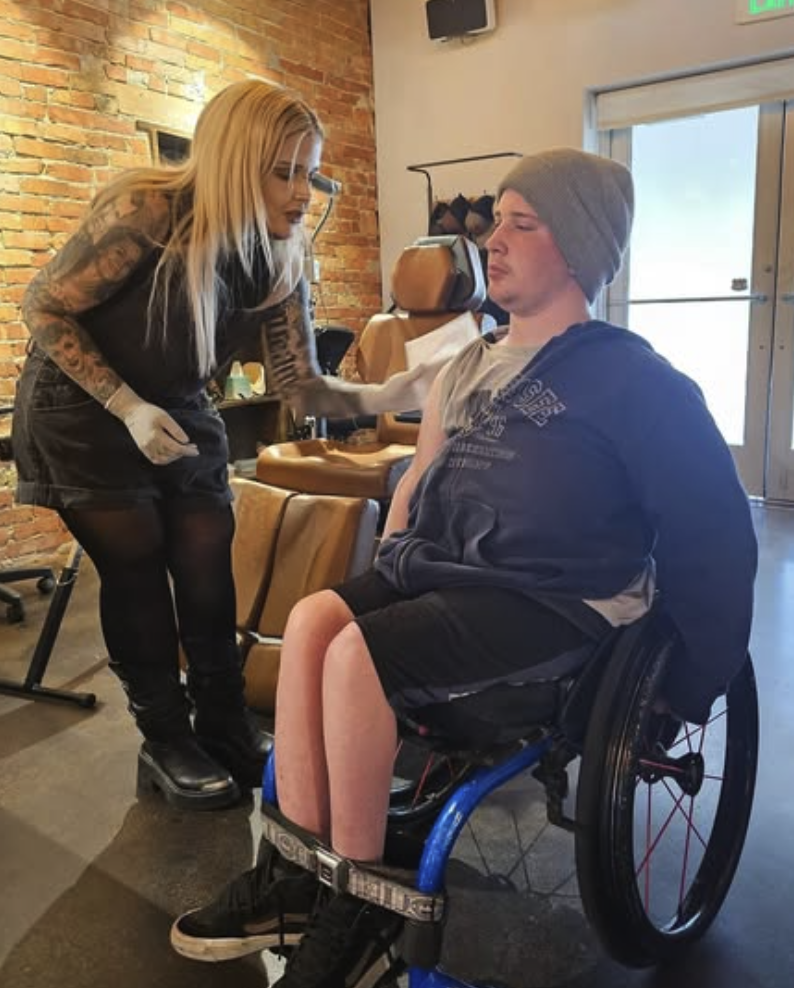
Moon Beam Chels, located at Gypsie Soul Tattoo in Salt Lake City, brings this kind of thoughtful approach to every rework session.
"Chels did a rework for me today! I loved my experience with her. She's easy-going and attentive, and her artistry speaks for itself. She makes me want more tattoos!"
— Sadie W., Facebook Review
Experiences like these explain why multiple 5-star reviews mention the same themes: attentiveness, skill, and results that make clients want to come back.
How Do You Set Realistic Expectations Before Booking?
Touch-ups improve tattoos but rarely make them perfect—and understanding this distinction prevents disappointment. Skin isn't canvas. It has texture, movement, and individual characteristics that affect how ink heals. Even the most skilled artist works within biological limits.
Before you book, ask yourself: Am I trying to fix a real problem, or am I chasing perfection that doesn't exist? The difference between "this line dropped out" and "I wish the whole thing looked different" determines whether a touch-up is the right call or whether you're heading toward overworked skin.
Clients throughout Salt Lake City and the surrounding valley trust artists who communicate honestly about what's achievable. That transparency builds better outcomes than over-promising. Ready to start your touch-up journey the right way? Contact Moon Beam Chels via text at 801-678-7275 or DM on Instagram @moonbeam_art.
Explore more local business insights to make informed decisions about your next appointment.
Key Takeaways
- Wait at least four to six weeks after your original session before scheduling a touch-up to allow complete skin healing.
- Moon Beam Chels recommends photographing your tattoo in natural light before your appointment so the artist can assess fading accurately.
- Moisturizing consistently in the weeks before your touch-up helps fine line work accept ink more evenly.
- Salt Lake City clients should communicate specific concerns about their tattoo rather than asking for a general touch-up.
- Arriving with realistic expectations about what touch-ups can and cannot fix saves time and produces better outcomes.
Frequently Asked Questions
How long should I wait before booking a tattoo touch-up?
Wait at least four to six weeks after your original session. Fine line tattoos need the full healing window to show true ink retention. Booking earlier means your artist can't accurately assess what needs correction versus what's still settling into your skin.
What photos should I bring to a touch-up appointment?
Bring photos taken in natural daylight at different healing stages. Indoor lighting hides ink dropout and fading. A timeline showing weeks two, four, and six helps your artist understand how your skin retained pigment and plan the touch-up accordingly.
Can a touch-up fix a tattoo I got somewhere else?
Yes, experienced artists can rework tattoos from other studios. Bring original reference images and explain what you want changed. Moon Beam Chels in Salt Lake City specializes in delicate rework that matches existing linework while correcting problem areas.
How do I prepare my skin before a touch-up session?
Moisturize with unscented lotion twice daily for two weeks before your appointment. Hydrated skin accepts ink more evenly and reduces needle drag. Skip products with fragrances or active ingredients that could irritate the area during your session.
Where can I find fine line tattoo touch-ups in Salt Lake City, UT?
Fine line specialists in Salt Lake City work from established studios with strong reputations. Moon Beam Chels operates from Gypsie Soul Tattoo on State Street, offering consultations via text at 801-678-7275 or Instagram DM to discuss your specific touch-up needs.


.svg)

%20(1).avif)

.svg)




.svg)











%20(1).avif)
%20(1).avif)