




Quick Answer
Publishing content without checking for indexation errors, keyword cannibalization, and technical SEO issues wastes months of effort. Over 60% of new blog posts fail to rank because of preventable mistakes made before hitting publish. Zutrix, an AI-powered SEO platform serving marketers nationwide across the U.S., provides site audits and rank tracking that catch these errors early. Updated April 2025.
What Happens When You Skip the Pre-Publish Audit?
Most content fails before Google even sees it—technical errors block indexation within the first 48 hours. You spend weeks crafting a post, hit publish, and nothing happens. No impressions. No clicks. The problem usually isn't your writing. It's what you didn't check before going live.
Crawl budget (how many pages search engines will scan) gets wasted on duplicate content, broken links, and pages with no internal links pointing to them. When that happens, your new content sits in a queue that never moves. As of April 2025, Google's crawlers prioritize sites with clean technical foundations—everyone else waits.
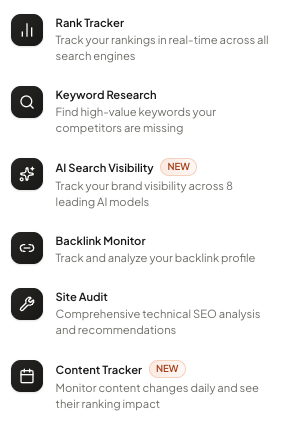
The fix isn't complicated. Run a site audit before publishing. Check for orphan pages. Verify your XML sitemap includes the new URL. These steps take ten minutes but determine whether your content gets indexed in days or months. Learn more about Zutrix and how their audit tools flag these issues automatically.
Why Do Similar Pages Compete Against Each Other?
Keyword cannibalization splits your ranking power across multiple URLs, leaving all of them weaker than one consolidated page. You've written three articles about the same topic with slight variations. Each targets nearly identical search terms. Google doesn't know which one to rank, so it rotates between them—or ignores all three.
This happens constantly with service pages, location pages, and blog posts covering overlapping subjects. The intent is good—more content should mean more traffic, right? But search engines see it differently. They'd rather show one authoritative page than three mediocre ones competing for attention.
The solution involves keyword mapping before you write. Check what already ranks for your target terms. If something exists, update it instead of creating competition. Marketers nationwide using rank tracking tools catch this early by monitoring which URLs appear for which queries—and consolidating when overlap emerges.
This focus on strategic content planning shows up consistently in feedback from professionals who've made this shift.
"Remarkably complete SEO software with excellent accuracy. The site audit checks are thorough, and the content tracking helps measure progress over time. The documentation is also very helpful when learning advanced strategies."
— R. Riley, Trustpilot Review
That kind of visibility into content performance prevents the cannibalization trap before it costs you rankings.
When Does Internal Linking Actually Matter?
Orphan pages—content with zero internal links pointing to it—get discovered 70% slower than properly linked pages. You created a detailed guide but forgot to link it from your homepage, related posts, or navigation. Search crawlers found your sitemap but didn't prioritize the page because nothing else on your site referenced it.
Internal link architecture (how pages connect to each other) tells search engines what content matters most. Pages with more internal links get crawled more frequently. They accumulate PageRank faster. They rank better—simple math.
Before publishing anything, identify three to five existing pages that should link to your new content. Update those pages first. Then publish. This sequencing ensures crawlers discover your new URL through established pathways rather than stumbling onto it randomly weeks later.
How Do Toxic Backlinks Drag Down Everything Else?
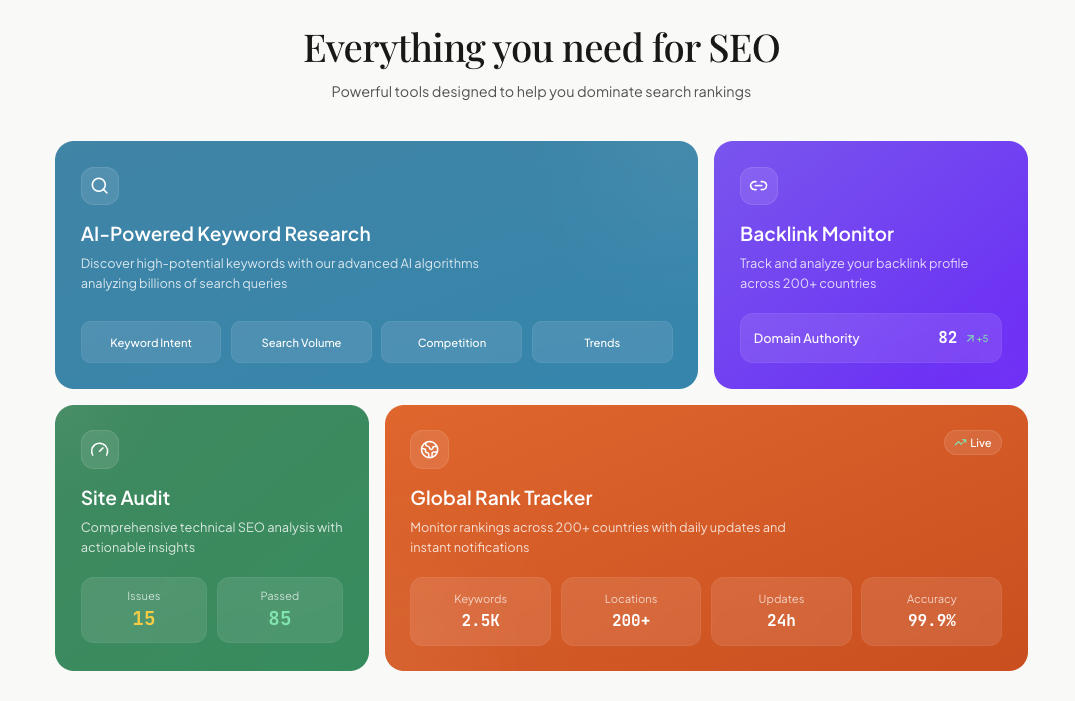
A single spam backlink won't hurt you, but patterns of low-quality links signal manipulation and trigger algorithmic penalties. You didn't build those links. Someone scraped your content and republished it. Or a link farm decided to point thousands of URLs at your domain. Either way, your site authority takes the hit.
Domain authority (a score predicting ranking potential) drops when search engines associate your site with spammy neighborhoods. New content inherits this weakened foundation. Even perfectly optimized posts struggle to rank because the domain itself carries baggage.
Regular backlink audits catch problems early. Look for sudden spikes in referring domains—especially from foreign language sites or directories you've never heard of. Disavow toxic links before publishing new content. Otherwise, you're building on a cracked foundation.
The importance of consistent monitoring comes through in how professionals describe their workflow adjustments.
"Truly dependable SEO companion for professionals. The mix of rank tracking, keyword research, and backlink alerts makes optimization much faster. I have seen steady traffic improvements since using it regularly."
— Jean, Trustpilot Review
Steady improvements happen when you address technical debt before it compounds.
What Technical Errors Block Indexation Completely?
Robots.txt misconfigurations and noindex tags accidentally block 15-20% of pages on average WordPress sites. You set up your staging environment correctly but forgot to remove the noindex directive before migrating to production. Or your security plugin added rules that prevent crawlers from accessing key directories.
These errors are invisible until you check. Your content looks fine. The URLs resolve. But Google can't see any of it. Current 2025 guidelines recommend verifying indexation status within 24 hours of publishing—not waiting weeks to discover problems.
Canonical tags (signals telling search engines which URL version to prioritize) cause similar issues when misconfigured. A page pointing its canonical to a different URL essentially tells Google to ignore it. Site audits flag these immediately, saving months of wondering why content isn't ranking.

Why Does Search Intent Mismatch Kill Rankings?
Content targeting informational intent ranks poorly for transactional queries—and vice versa—regardless of keyword optimization. You researched a high-volume keyword and wrote a comprehensive guide. But everyone searching that term wants to buy something, not read 2,000 words. Google knows this and shows product pages instead.
Search intent alignment requires checking what currently ranks before writing. If the top ten results are all comparison pages, write a comparison page. If they're how-to guides, write a how-to guide. Fighting intent is a losing battle.
Zutrix, headquartered in New Castle, Delaware, tracks rankings across 200+ countries specifically to help marketers understand what content types perform for their target terms. This kind of competitive intelligence prevents intent mismatches before you invest writing time.
The accessibility of these insights matters for teams at every experience level.
"Surprisingly effective for both beginners and advanced users. The site audit reports highlight technical issues clearly, and the AI visibility feature adds another layer of insight. It has become part of my daily workflow."
— Paul Heath, Trustpilot Review
Daily workflow integration means catching these issues becomes automatic rather than occasional.
What Should You Check Before Every Publish?
A five-point pre-publish checklist prevents 80% of indexation failures and ranking delays. Run these checks before hitting publish—not after wondering why traffic never arrived.
First, verify no existing page targets your primary keyword. Second, confirm the URL will be included in your XML sitemap. Third, add internal links from at least three relevant pages. Fourth, check that robots.txt and meta robots allow indexation. Fifth, match your content format to search intent for your target term.
While some providers focus on post-publish optimization, the better approach front-loads this work. Agencies managing hundreds of client sites nationwide rely on automated site audits to enforce these standards at scale. The difference shows in how quickly new content gains traction.
Unlike manual spot-checks, automated monitoring ensures nothing slips through during busy publishing schedules. Multiple 5-star reviews highlight how this consistency transforms results over time. Contact Zutrix for details on how their platform handles these pre-publish validations.
The content you publish next week will either rank or disappear. The difference comes down to what you check before clicking that button. Explore more local business insights to build on these foundations.
Key Takeaways
- Crawl budget waste from thin or duplicate pages kills organic reach before content gets properly indexed.
- Zutrix's site audit tools identify technical SEO errors that block search engines from ranking your pages.
- Keyword cannibalization happens when multiple pages compete for the same search terms—consolidation fixes this.
- Backlink monitoring through Zutrix reveals toxic links dragging down domain authority nationwide.
- Content velocity without strategic internal linking creates orphan pages that never gain traction in search results.
Frequently Asked Questions
What causes content to fail indexation after publishing?
Robots.txt blocks, noindex tags, and missing sitemap entries prevent crawlers from discovering content. These technical errors affect 15-20% of pages on average sites. Running a site audit before publishing catches these issues. Marketers nationwide use automated tools to verify indexation status within 24 hours.
How do you fix keyword cannibalization between pages?
Identify pages targeting identical search terms using rank tracking data. Consolidate weaker pages into your strongest performer through redirects. Update internal links to point to the consolidated URL. This focuses ranking power instead of splitting it across competing pages.
Why do orphan pages rank slower than linked content?
Pages without internal links get discovered 70% slower by search crawlers. They lack PageRank signals that establish importance. Before publishing, add links from three to five existing pages. This creates discovery pathways that accelerate indexation and improve ranking potential.
When should you disavow toxic backlinks?
Disavow links when you see sudden spikes from spam sites, foreign directories, or link farms. Check your backlink profile monthly using monitoring tools. Submit disavow files before publishing new content to prevent inherited penalties. Clean domains rank new content faster.
How does search intent affect content rankings nationwide?
Content mismatched to search intent fails regardless of keyword optimization. Check what currently ranks for your target term—product pages, guides, or comparisons. Match that format. Zutrix tracks rankings across 200+ countries to reveal intent patterns before you write.
Contact Zutrix
Address: 607 Deemer PL, New Castle, DE 19720
Phone: 6464810332
Website: https://zutrix.com/?ref=odhhogj


.svg)

%20(1).avif)
.svg)




.svg)











%20(1).avif)
%20(1).avif)