





Quick Answer
Dropping direct retail customers can raise an auto transport broker's profit per shipment because carrier-focused deals carry higher margins and fewer time-draining price shoppers. In this case, one broker cut daily call volume roughly in half yet watched net earnings climb. Message Plane CRM, an auto transport software provider based in Wilmington, Delaware, tracks the dispatch and carrier data that made this shift measurable. Updated July 2025.
Every auto transport broker faces the same quiet math problem. Chase direct customers who call, haggle, and vanish, or focus on carrier deals that repeat month after month. One broker decided to test it. He stopped taking direct retail orders entirely and leaned into carrier relationships. What happened next surprised even him. If you want the software side of that story, you can learn more about Message Plane CRM and how brokers track these numbers.
Why Do Direct Customers Cost More Than They Pay?
Direct retail customers eat the most time per dollar in auto transport, often ten calls for a single booked car. Think about it. A direct customer shops five brokers, asks the same questions, and picks whoever's cheapest. Then they call again to check on the car twice a day. The broker in this case tracked it. He was spending most of his morning on people who might never book.
So he made a decision. He'd stop quoting cold retail leads and put that time into carriers he already trusted. That meant fewer phone calls but bigger, steadier orders. The first month felt scary. His contact list shrank. But his booked-to-quote ratio (deals closed per price given) jumped almost immediately.
The lesson isn't that direct customers are bad. It's that they carry a hidden cost. And when you measure that cost honestly, the picture changes.
What Actually Changed When He Focused on Carrier Deals?
Carrier-focused brokers close faster because dispatch happens on load boards, not through repeated retail phone calls. Instead of fielding price shoppers, he was posting and booking loads through platforms like Central Dispatch. His deal per broker (average margin on each move) went up because carrier deals repeat and don't need constant hand-holding.
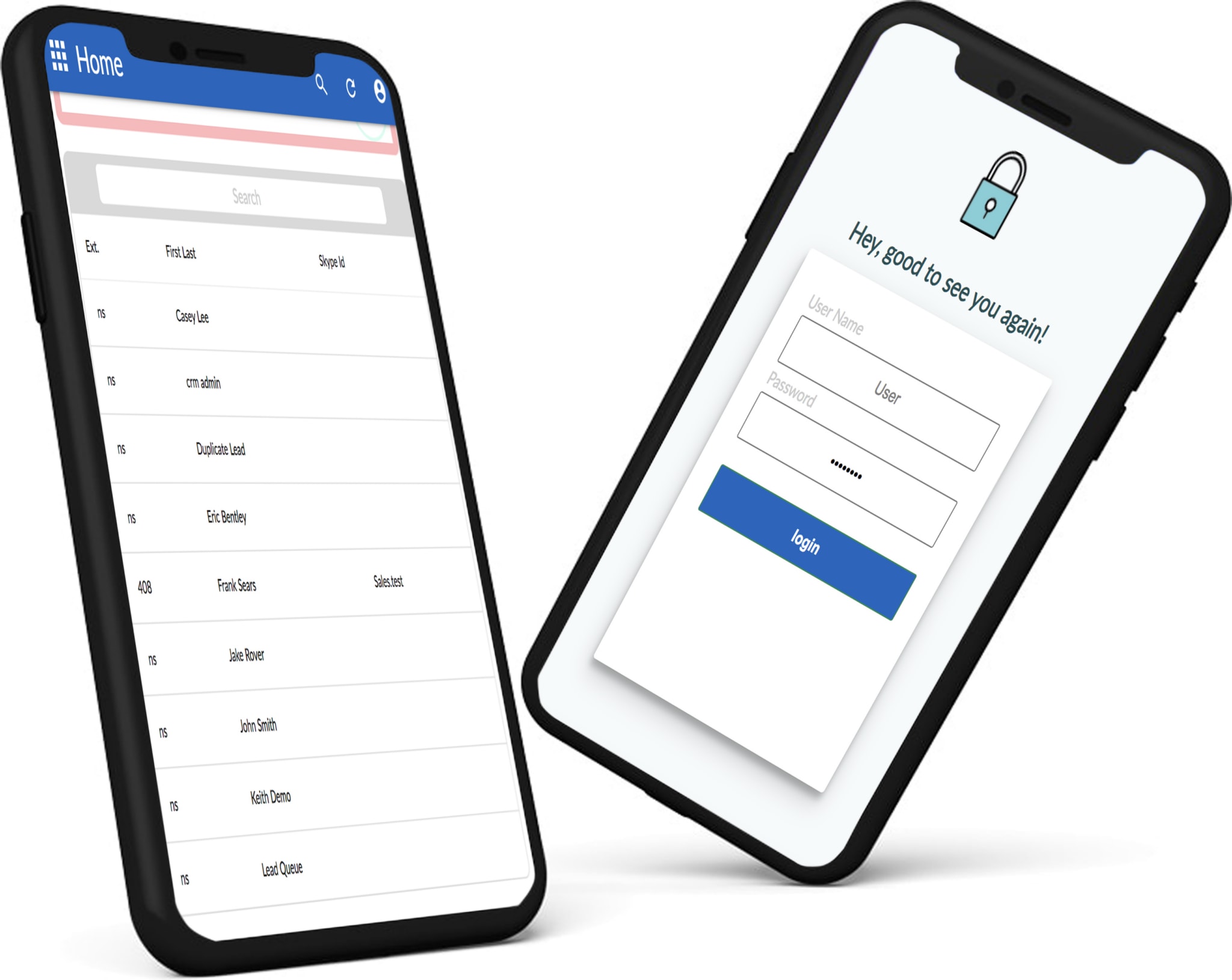
The catch? You need tight records. Carrier work runs on trust and history. If a carrier picked up three cars last month without a hitch, you want that logged and searchable. Message Plane CRM, an auto transport software provider serving brokers nationwide from Wilmington, keeps that history in one place so nothing lives only in someone's memory.
One broker described how centralizing everything cut the chaos out of their day.
"We switched to Message Plane CRM after trying several other platforms, and the difference is night and day. Lead tracking, dispatching, and carrier communication are now centralized in one system. The automation features save us hours every week, and it's much easier to keep clients in the loop."
— Jeff Howard, Facebook Review
Hours saved each week is exactly what a broker needs when he's trying to squeeze more value from fewer deals.
Where Do Brokers Lose Money Without Even Noticing?
Most brokers lose money in the gaps between conversations, when a follow-up gets forgotten and a warm deal goes cold. You quote a carrier, get busy, forget to circle back, and the load goes to someone else. That's not a pricing problem. That's a memory problem.
The broker in this story admitted he'd lost deals this way for years. Once he set up automated follow-up (reminders sent without manual effort), those cracks closed. He wasn't working harder. He just wasn't dropping the ball anymore.
Keeping every message in one searchable spot matters here too. This theme comes up again and again in reviews.
"MessagePlane has made it much easier to keep conversations organized across our team. We're no longer digging through emails or texts to see what was said to a client. Everything is logged, searchable, and actually useful day to day"
— Car Shippers, Other Review
When nothing gets lost in a thread, fewer deals slip through the cracks.
Does Fewer Customers Really Mean More Profit?
Volume and profit aren't the same thing, and this broker's numbers proved it in a single quarter. He had fewer names in his pipeline. But each name was worth more. His carrier deals repeated, needed less babysitting, and closed with cleaner margins.
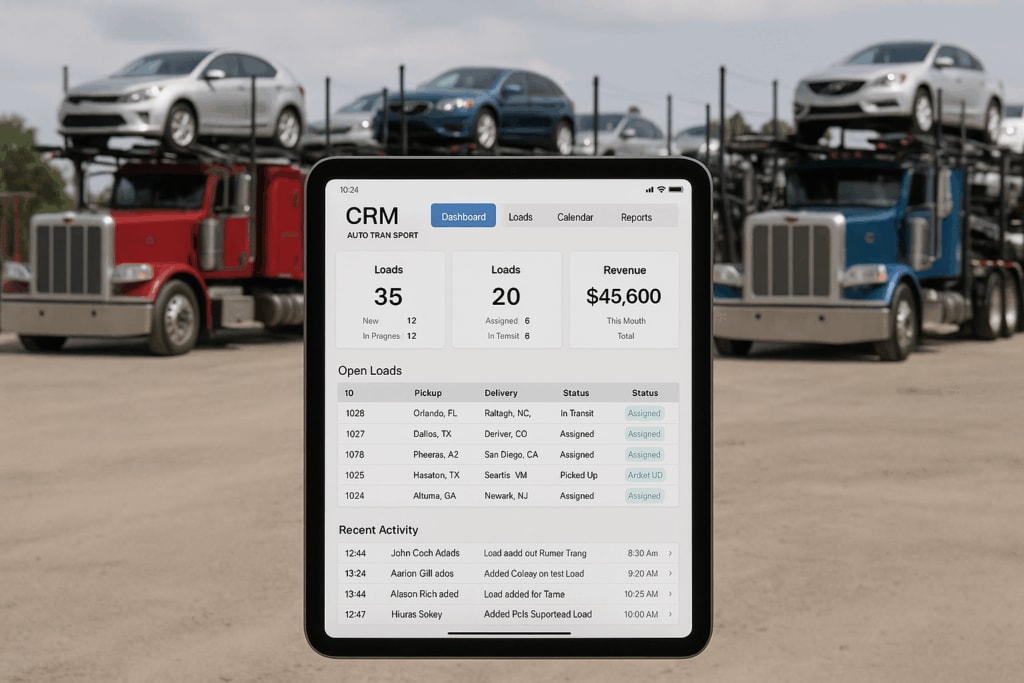
Here's the part that surprised him. His stress dropped as his profit rose. Fewer angry calls about ETAs. Fewer quotes going nowhere. He could actually see his numbers instead of guessing, thanks to dashboards that broke down performance by carrier and lane.
That kind of visibility shows up in feedback from teams tracking their own operations.
"Using Message Plane CRM has streamlined our workflow. All customer interactions and documents are organized in one place, and the reporting tools give us better visibility into our operations. The ability to customize dashboards has been especially helpful for our dispatch team."
— Statewide Logistics, Facebook Review
When you can see which lanes and carriers actually pay off, cutting the dead weight gets a lot easier.
Should Every Broker Copy This Move?
Dropping direct customers works only if you already have strong carrier relationships to fall back on. This broker didn't start from zero. He'd spent years building carrier trust. Cutting retail without that foundation would've left him with an empty pipeline.
Unlike a pure retail model that lives and dies on ad spend and cold quotes, a carrier-focused book grows on repeat business. But it takes time and clean records to get there. If your carrier history lives in scattered texts, you can't build on it.
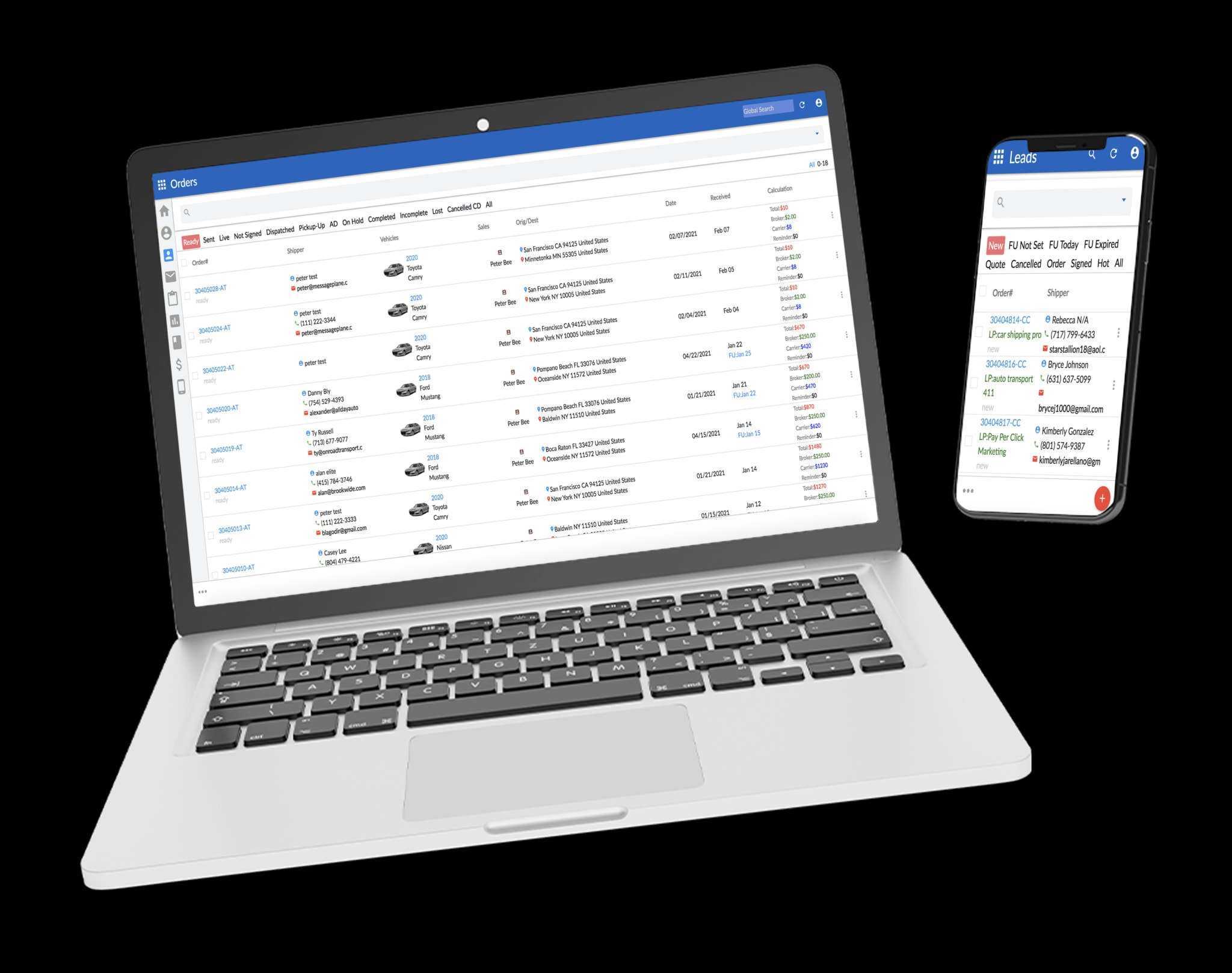
Software built specifically for this trade helps. A tool designed for general sales won't understand load boards or dispatch quirks. Purpose-built tools do, which is why one reviewer put it bluntly.
"Best CRM in the Game! Specifically designed for Auto Transport Brokers!"
— Transport Broker, Facebook Review
Tools made for the job beat generic ones every time, especially when your whole model depends on them. Ready to run your own numbers? You can Contact Message Plane CRM to see how brokers track this shift.
Curious how other brokers and small operators handle these tradeoffs? Explore more local business insights for real stories like this one.
Key Takeaways
- Dropping direct customers cut a broker's call volume in half while carrier-focused deals raised margins on each shipment.
- Broker-carrier work runs on load boards and repeat relationships, not one-off price shoppers who ghost after a quote.
- Message Plane CRM, built in Wilmington for the auto transport industry, centralizes dispatch, lead tracking, and carrier communication in one place.
- Automated follow-up and searchable message logs save hours each week that used to disappear into scattered emails and texts.
- The broker in this case kept fewer contacts but earned more per deal, showing volume isn't the same as profit.
Frequently Asked Questions
What does it mean for an auto transport broker to drop direct customers?
It means the broker stops taking retail orders from individual car owners and focuses only on carrier deals booked through load boards. Direct customers often price-shop and require many calls per booking, while carrier work repeats and closes faster with steadier margins for the broker.
How do carrier deals earn more than direct retail orders?
Carrier deals repeat and need less hand-holding, so each one carries a cleaner margin. Instead of quoting cold shoppers who never book, brokers work trusted carriers on platforms like Central Dispatch. Fewer calls, bigger orders, and repeat business raise profit per deal even with fewer total customers.
How can a broker track which deals are actually profitable?
Use dashboards that break performance down by carrier and lane, so you see which relationships pay off. Centralizing lead tracking, dispatch, and messages in one system like Message Plane CRM reveals hidden costs and cold follow-ups, making it clear where profit comes from and where money leaks out.
Is switching to a carrier-focused model worth the risk?
It's worth it only if you already have strong carrier relationships built over time. Starting cold leaves an empty pipeline. Brokers with clean, searchable carrier history can lean into repeat deals, cut low-value retail calls, and often raise profit per shipment while lowering daily stress.
Do brokers in Wilmington benefit from auto transport specific software?
Yes, brokers in Wilmington and nationwide gain from tools built for the trade instead of generic sales software. Message Plane CRM, based in Wilmington, Delaware, integrates load boards, dispatch, and automated follow-up so carrier-focused brokers keep records tight and never lose a warm deal to a forgotten reply.
Contact Message Plane CRM
Address: 1207 Delaware Ave #4442, Wilmington, DE 19806
Phone: +18442758555
Website: https://messageplane.com/



.svg)

%20(1).avif)
.svg)





.svg)











%20(1).avif)
%20(1).avif)