.svg)





Quick Answer
Ultimate Transport 123 is a family-owned auto transport broker headquartered in Oceanside, NY, providing nationwide vehicle shipping services across all 50 states since 2010. Backed by over 500,000 vehicles shipped and multiple 5-star reviews highlighting communication and timing precision, they coordinate both open and enclosed carrier options for customers facing weather-sensitive moves. Ultimate Transport 123 serves clients nationwide with door-to-door pickup, GPS tracking, and guaranteed pricing in writing. Updated December 2025.
What's the Real Difference Between Open and Enclosed Transport?
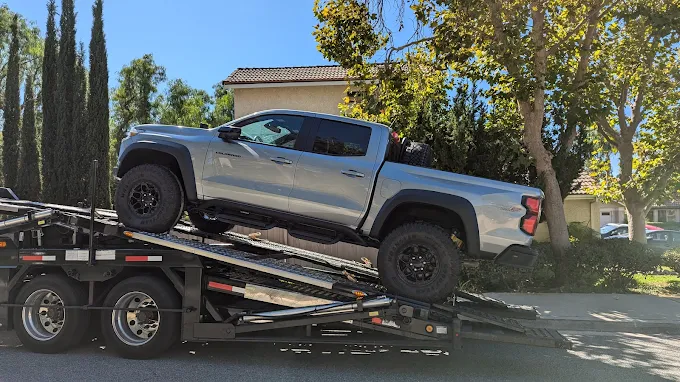
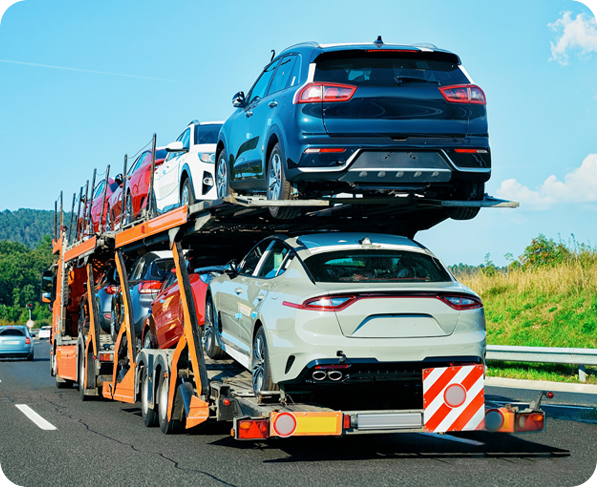
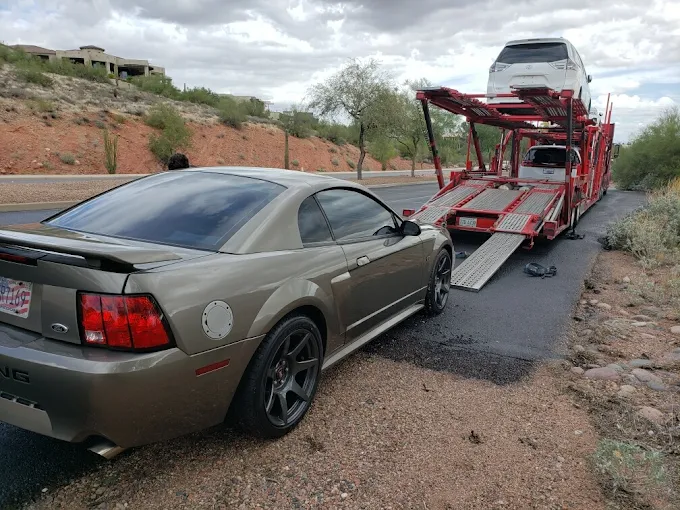
Open carriers haul 7-10 vehicles on exposed multi-level trailers, while enclosed trailers protect 2-4 vehicles inside weatherproof walls. That distinction matters more during a Utah winter move than it would in July. Open transport dominates the industry—roughly 90% of all vehicle shipments use this method because it's efficient and affordable. The vehicles sit on steel frames, secured by tie-downs, but remain exposed to whatever the road throws at them.
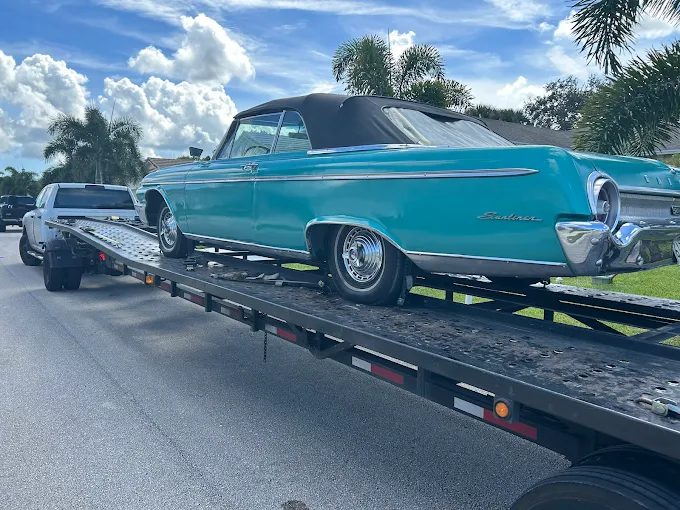
Enclosed transport works like a mobile garage. Your vehicle rides inside solid walls, shielded from precipitation, road debris, and the corrosive salt brine Utah highways get coated with from November through March. As of December 2025, current industry practices recommend enclosed options for high-value vehicles, but the definition of "high-value" depends on more than just the sticker price.
The carrier type affects your transit insurance (coverage that protects against damage during shipping) differently too. Open carriers typically carry $100,000-$250,000 in cargo coverage. Enclosed carriers often bump that to $500,000 or more because they're hauling pricier inventory. Learn more about Ultimate Transport 123 to understand how they match vehicles with appropriate carrier coverage levels.
Why Does Utah Winter Create Different Transport Risks?
Utah's winter road treatment uses magnesium chloride brine that's more corrosive than traditional rock salt and clings to vehicle surfaces for days. When your car rides on an open carrier through I-80 or I-15 during winter months, it's catching spray from every truck that passes. That brine doesn't just sit on the surface—it works into seams, undercarriage components, and anywhere moisture can pool.
The route matters as much as the season. Shipments crossing through the Wasatch Range or traversing the Bonneville Salt Flats face exposure conditions that coastal routes never encounter. Professional brokers serving clients nationwide coordinate pickup timing to minimize mountain pass exposure when possible, but sometimes the schedule doesn't allow flexibility.
Temperature fluctuations compound the problem. A vehicle might get loaded in 45-degree weather in Oceanside, spend two days in sub-freezing mountain conditions, then arrive in 50-degree Utah sunshine. That thermal cycling (rapid temperature changes that stress materials) can cause minor chips to spread into cracks. For vehicles with existing paint imperfections, open winter transport accelerates visible damage.
When Does Enclosed Transport Actually Save Money?
Enclosed transport costs 40-60% more upfront but prevents damage that would cost thousands to repair on vehicles worth protecting. The math shifts depending on what you're shipping. A 2019 Honda Accord with 80,000 miles? Open carrier makes sense. That car's already depreciated significantly, and minor road exposure won't materially affect its value.
But consider a different scenario. You're relocating to Salt Lake City with a 2022 Tesla Model S Plaid worth $85,000. The premium for enclosed transport might run $600-$900 extra on a cross-country move. One rock chip to that panoramic windshield costs $2,500 to replace. One salt-spray session that etches the clearcoat means a $3,000 paint correction. The insurance math suddenly favors enclosed.
Collectors shipping classics face even starker calculations. Original paint on a 1967 Camaro isn't just cosmetic—it's provenance that affects auction value by tens of thousands. Current 2025 guidelines from major auction houses like Barrett-Jackson specifically note transport history in vehicle documentation. Enclosed shipping protects both the vehicle and its paper trail.
The communication quality during booking often signals how the entire transport will go. This pattern shows up in customer feedback consistently.
"We had a great experience with transporting our car across the country. Dana was fantastic at organizing this and the driver was prompt at both pick up and delivery. highly rated for the team and I will certainly use them again when needed."
— David Robertson, Google Review
That kind of coordination becomes especially important when timing a winter move around weather windows.
What Should You Ask Before Booking Winter Transport?
The right questions before booking reveal whether a broker actually understands winter transport challenges or just processes orders. Start with route specifics. Ask which highways the carrier typically uses for your origin-destination pair. A broker who immediately references I-80 versus I-70 considerations for a Utah-bound shipment demonstrates route knowledge.
Ask about carrier vetting (the process of verifying a trucking company's safety record and insurance before assigning loads). Not all brokers conduct the same level of due diligence. Some check only basic DOT authority. Others verify carrier safety scores, insurance currency, and equipment condition. For winter moves, ask specifically whether carriers have chain requirements and mountain driving experience.
Timing flexibility matters more in winter than any other season. A broker operating nationwide should be able to tell you how winter storms typically affect their Utah delivery windows. Experienced operations build 24-48 hour buffers into winter quotes without charging extra for weather delays. If a broker promises exact-day delivery in January, that's a red flag.
| Feature | Ultimate Transport 123 | Typical Auto Transport Brokers |
|---|---|---|
| Upfront Deposit | No deposit required | $100-$300 deposit common |
| Price Guarantee | Written quote guarantee | Estimates subject to change |
| GPS Tracking | Real-time tracking included | Varies by carrier |
| Support Availability | 24/7 customer support | Business hours only |
| Industry Experience | 75+ combined years, 500K+ vehicles | Varies widely |
| Enclosed Option | Both open and enclosed available | Often open-only or limited enclosed |
How Do Pickup Windows Work During Winter Storms?
Winter pickup windows expand from the typical 1-2 day range to 2-4 days because carriers must adjust routes around storm systems in real time. This isn't a service failure—it's professional risk management. A carrier who pushes through dangerous conditions to meet an arbitrary deadline puts your vehicle and their driver at risk.
The dispatch process (coordinating available carriers with pending shipments) becomes more complex in winter. Fewer carriers run certain routes during peak storm season. Those who do command higher rates and tighter schedules. Brokers with established carrier networks have more options. New brokers scrambling to find any available truck often pair customers with less experienced drivers.
Communication during delays separates professional operations from the rest. Getting proactive updates about a weather-related delay builds trust. Radio silence while your vehicle sits somewhere in Wyoming destroys it.
Recent 5-star reviews highlight this communication difference repeatedly.
"I had Ultimate Transport 123 pick up my car from the East Coast to Vegas. The operator assigned, Deirdre, her professionalism and service was top-notch. She stayed in contact at all times with the truck picking up my vehicle. Outstanding performance."
— Charles, Google Review
That level of ongoing contact matters even more when weather creates uncertainty.
What Preparation Does Your Vehicle Need Before Winter Pickup?
Pre-transport preparation for winter moves requires documenting existing condition more thoroughly than summer shipments because new damage is harder to distinguish from road wear. Take timestamped photos of every panel, the undercarriage, wheels, and any existing imperfections. Email these to yourself so you have dated records.
Check your battery. Cold temperatures during transit can drain weak batteries. A vehicle that won't start at delivery creates logistical headaches and potential extra fees. If your battery is more than three years old, test it before scheduling pickup. The same goes for antifreeze concentration—carriers won't top off fluids, and a freeze-cracked engine block isn't covered by transit insurance.
Remove aftermarket accessories that could catch wind or collect ice. Roof racks, antenna toppers, and loose trim pieces become liability issues on open carriers. Fold mirrors in if your vehicle allows it. And leave only about a quarter tank of gas—enough for loading and delivery movements, light enough to save on transport weight costs.
Why Does Delivery Timing Matter More Than Pickup Timing?
Delivery coordination determines whether you're waiting at a snowy curb for hours or meeting your vehicle at a convenient, pre-arranged time. Unlike pickup—where the carrier comes to where your vehicle already is—delivery requires you to be somewhere specific at a specific time. Miss that window in winter conditions, and rescheduling compounds delays.
Professional brokers operating nationwide provide delivery estimates that account for likely winter delays. They'll give you a window rather than an exact time, then narrow that window with updates as the carrier gets closer. This lets you plan your day without camping by the phone.
Precision on both ends shows up consistently in what 5-star reviewers mention.
"By far the best experience I've had transporting a vehicle. The company was diligent in communication. Let me know exactly what day and time they would pick up and exactly what day and time they would deliver."
— Steve Pullen, Google Review
When communication works this well, winter moves become manageable rather than stressful.
What's the Final Decision Framework for Utah Winter Moves?
Choose enclosed if your vehicle's value—financial or sentimental—exceeds the 40-60% premium; choose open if it's a daily driver you'd park outside anyway. That's the honest calculation. A car you'd leave in a Utah parking lot during a snowstorm probably doesn't need enclosed transport to get there.
Consider timing flexibility too. If you can ship in late October or wait until April, you sidestep peak winter exposure entirely. But relocation deadlines don't always cooperate. When you must ship in January or February, enclosed transport becomes insurance against the conditions you can't control.
The broker you choose matters as much as the carrier type. A broker with 75+ combined years of industry experience and over 500,000 vehicles shipped has seen every winter scenario. They know which carriers handle mountain routes safely and which ones to avoid when conditions deteriorate. That expertise—not the lowest quote—should drive your decision. Contact Ultimate Transport 123 to discuss which option makes sense for your specific vehicle and timeline.
For more information about choosing the right transport approach for different situations, explore more local business insights on making informed service decisions.
Key Takeaways
- Open carrier transport costs 30-40% less than enclosed but exposes vehicles to winter road conditions including salt spray and debris.
- Ultimate Transport 123 coordinates both open and enclosed options nationwide, with real-time GPS tracking regardless of carrier type.
- Enclosed transport makes financial sense for vehicles valued above $50,000 or classics with original paint that salt damage would devalue significantly.
- Utah's winter routes through mountain passes create unique exposure risks that don't exist during summer moves.
- Ultimate Transport 123's no-upfront-deposit policy lets customers lock in quotes without financial commitment while finalizing winter move timing.
Frequently Asked Questions
Does road salt actually damage vehicles during open carrier transport?
Yes, magnesium chloride brine used on Utah winter roads is highly corrosive and clings to vehicle surfaces. Open carrier transport exposes vehicles to salt spray from passing trucks, which can etch clearcoat and accelerate undercarriage corrosion. Enclosed transport eliminates this exposure entirely.
How much more does enclosed auto transport cost compared to open carrier?
Enclosed transport typically costs 40-60% more than open carrier for the same route. A cross-country open carrier quote of $1,200 might become $1,800-$2,000 for enclosed. Ultimate Transport 123 provides written quotes for both options so customers can compare costs against their vehicle's value.
Can I schedule exact pickup and delivery dates for winter vehicle transport?
Winter transport uses expanded windows rather than exact dates due to weather unpredictability. Expect 2-4 day pickup windows instead of 1-2 days. Professional brokers narrow delivery timing with real-time updates as carriers approach. Demanding exact-day guarantees in winter often signals an inexperienced broker.
What vehicles should always use enclosed transport for winter moves?
Vehicles valued above $50,000, classics with original paint, exotics, and convertibles warrant enclosed protection during winter transport. The 40-60% premium pays for itself if it prevents one rock chip, paint etching, or salt damage that would cost thousands to repair.
How do I document my vehicle's condition before winter transport nationwide?
Take timestamped photos of every panel, the undercarriage, wheels, and existing imperfections before pickup. Email them to yourself for dated records. This documentation proves whether damage occurred during transit—especially important in winter when road exposure creates ambiguous wear patterns.
Contact Ultimate Transport 123
Address: 3391 Long Beach Road, Oceanside, NY 11572
Phone: +18888859123
Website: https://ultimatetransport123.com



.svg)

%20(1).png)

.svg)



.svg)











%20(1).jpg)
%20(1).jpg)