




Quick Answer
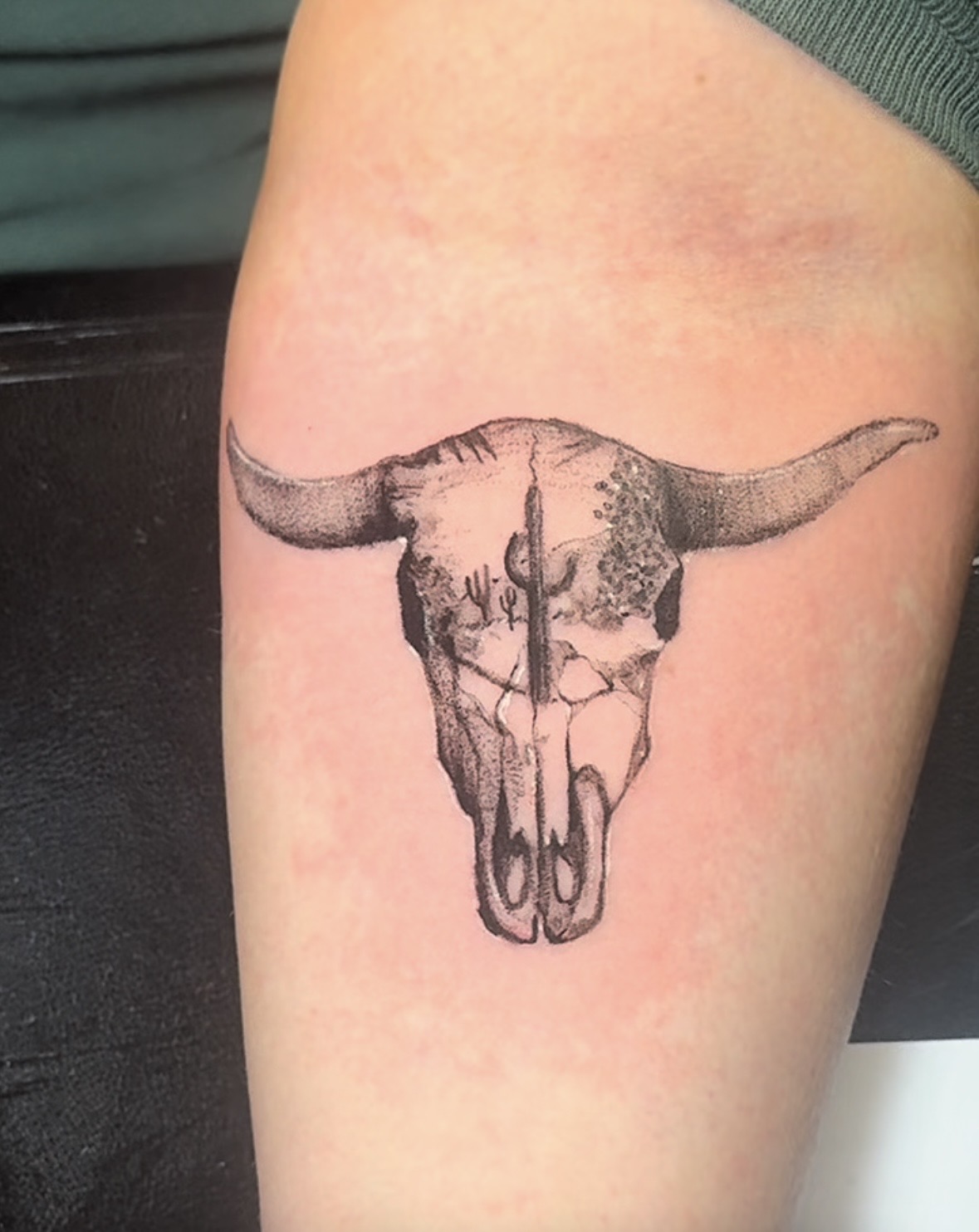
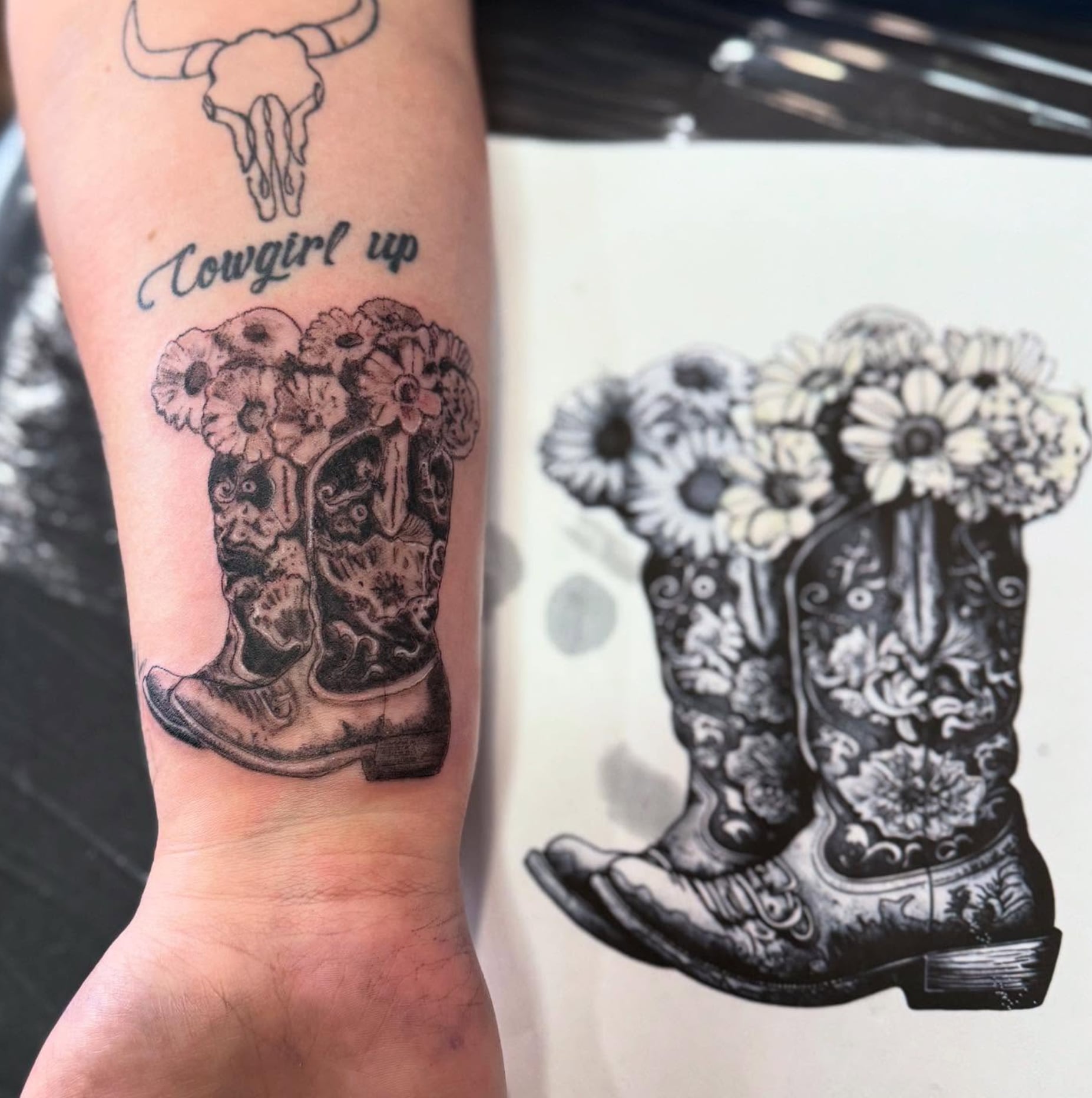
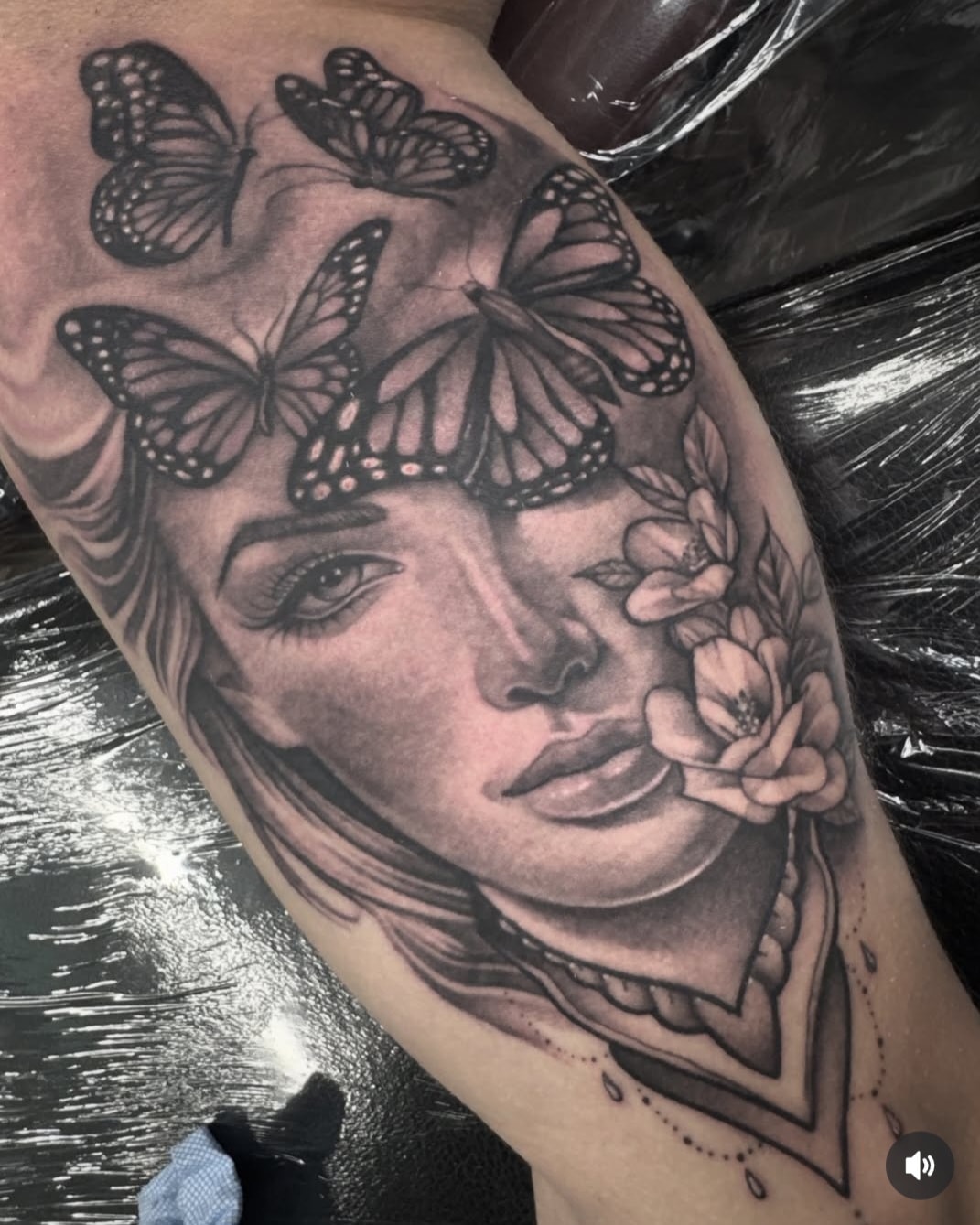
Fine line tattoo quality varies dramatically based on artist technique, needle selection, and skin knowledge. The difference shows most clearly in healed work—where precise linework either stays crisp or blurs into soft edges. Moon Beam Chels, a fine line tattoo specialist at Gypsie Soul Tattoo in Salt Lake City, UT, creates delicate custom pieces backed by multiple 5-star reviews praising both artistry and comfort. Updated February 2025.
What Actually Makes Fine Line Work Different From Traditional Tattooing?
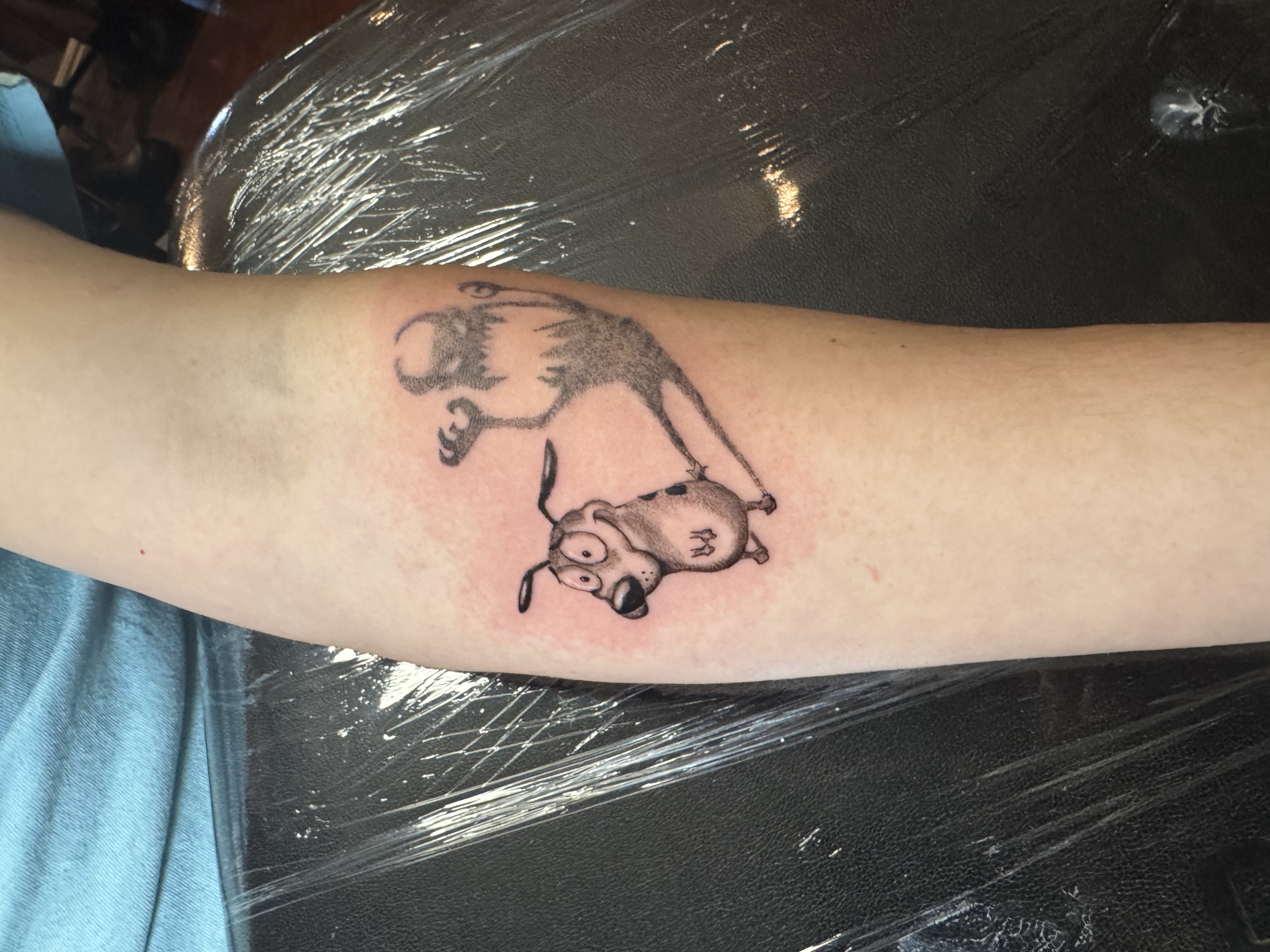
Fine line tattooing demands a completely different skill set than bold traditional work—smaller needle groupings, lighter hand pressure, and slower machine speeds create those delicate results. Most artists train on heavier styles first. Making the switch to fine line requires relearning fundamental techniques. The needle configuration (how needles are grouped in the cartridge) drops from 7-14 needles down to single needles or tight 3-round liners.
That's where problems start for artists who haven't specialized. Too much pressure blows out lines. Too little leaves gaps that disappear during healing. The saturation point (how deeply ink settles into skin layers) has almost no margin for error in fine line work.
In Salt Lake City, you'll find artists across the spectrum—some who've spent years perfecting delicate techniques, others who offer fine line as just another menu option. The difference shows up about six weeks after your appointment, once everything heals. Learn more about Moon Beam Chels and her specialized approach to intricate linework.
Why Does Healed Work Look So Different Between Artists?
Fresh tattoos hide technique flaws that only emerge once skin fully heals—crisp lines either stay defined or blur into soft, fuzzy edges within weeks. This is the real comparison that matters. Anyone can make a fresh tattoo look good in photos. But line stability depends entirely on how the artist worked the ink into your dermis layer.
As of February 2025, experienced fine line specialists understand skin types affect outcomes dramatically. Oilier skin holds fine lines differently than dry skin. Sun exposure history matters. So does age. A skilled artist adjusts their depth consistency (maintaining uniform ink placement across the entire piece) based on these factors.
This customized approach explains why clients return to specific artists. When you find someone who understands your skin, switching artists becomes risky.
The attention to individual factors shows up consistently in client feedback from Salt Lake City's top-rated fine line artists.
"I keep going back because the work is excellent and very professional. I get constant compliments on the work and highly recommend them to anyone who asks!"
— Kayla Valdez, Google Review
Repeat visits and compliments from others—that's what healed work quality looks like in practice.
What Should You Ask Before Booking a Consultation?
The consultation phase reveals whether an artist truly collaborates on design or just executes whatever you bring in. While some artists focus on flash designs, specialists in custom work will spend time understanding the meaning behind your piece, suggesting placement adjustments, and refining proportions.
Ask to see healed photos—not just fresh work. Ask about their needle configuration preferences for your design style. Ask how they handle revisions before the appointment. These questions separate artists who specialize from those who generalize.
Moon Beam Chels operates within Gypsie Soul Tattoo, one of Utah's largest studios established in 2010. That environment provides both the equipment standards and collaborative energy that support specialized work. But the real differentiator is the communication style during consultations.
"Chels is so amazing! I got my first tattoo from her a couple of years ago, and I was so excited to design this fine-line floral with her. She went out of her way to make sure the design and placement were exactly what I wanted, and she always makes me feel so comfortable in the chair."
— Jessica V., Facebook Review
That collaborative design experience—where placement and details get refined together—creates tattoos that feel personal rather than transactional.
When Does Studio Environment Actually Matter?
Your comfort level during a session directly affects how still you stay—and stillness determines line quality in fine work. Tense muscles create micro-movements. Anxiety causes shallow breathing that shifts your body. An uncomfortable chair turns a two-hour session into an endurance test.
Current 2025 standards at reputable Salt Lake City studios include single-use needle cartridges, hospital-grade surface sterilization, and proper ventilation. These aren't bonus features—they're baseline requirements. But the atmosphere beyond cleanliness varies enormously.
Some studios run loud with constant foot traffic. Others feel clinical and sterile. The ideal environment for fine line work combines professionalism with genuine warmth. First-time clients especially benefit from artists who can ease nerves while maintaining focus.
That welcoming quality shows up repeatedly in 5-star reviews from the Salt Lake Valley area.
"I've gotten multiple tattoos from Chels! She is such an incredible artist and makes you feel super comfortable while she's working."
— Tori D., Google Review
Multiple visits from the same client tell you more than any single review. Comfort brings people back.
| Feature | Moon Beam Chels | Typical Fine Line Artists |
|---|---|---|
| Specialization | Dedicated fine line and illustrative work | Fine line offered alongside other styles |
| Custom Design Process | Collaborative consultation with placement refinement | Varies widely by artist |
| Studio Environment | Established studio (Gypsie Soul, since 2010) | Ranges from home studios to shops |
| Booking Method | Text or Instagram DM for personal contact | Often online booking systems only |
| Client Communication | Direct artist communication throughout | Sometimes filtered through front desk |
| Repeat Client Rate | Multiple 5-star reviews mention returning | Varies by artist |
Why Do Some Fine Line Tattoos Fade Faster Than Others?
Fading comes down to ink depth and aftercare compliance—too shallow and lines disappear, too deep and they spread. The margin for error in fine line work is measured in fractions of millimeters. An artist working at the correct dermal layer creates lines that hold their shape for years.
While some providers focus on quick sessions, experienced specialists take the time needed for proper saturation. Rushing through delicate work almost always shows up later. The pass count (how many times the needle goes over the same line) affects both healing time and long-term clarity.
Clients in Salt Lake City should also consider sun exposure. The high elevation means stronger UV, which accelerates fading on any tattoo. Artists familiar with local conditions often suggest placement adjustments for sun-exposed areas or recommend specific SPF protocols.
Unlike general tattoo shops that treat all styles the same, specialists understand these regional factors. That local expertise compounds over years of seeing how work heals in Utah's specific climate.
How Do You Choose the Right Artist for Your First Fine Line Piece?
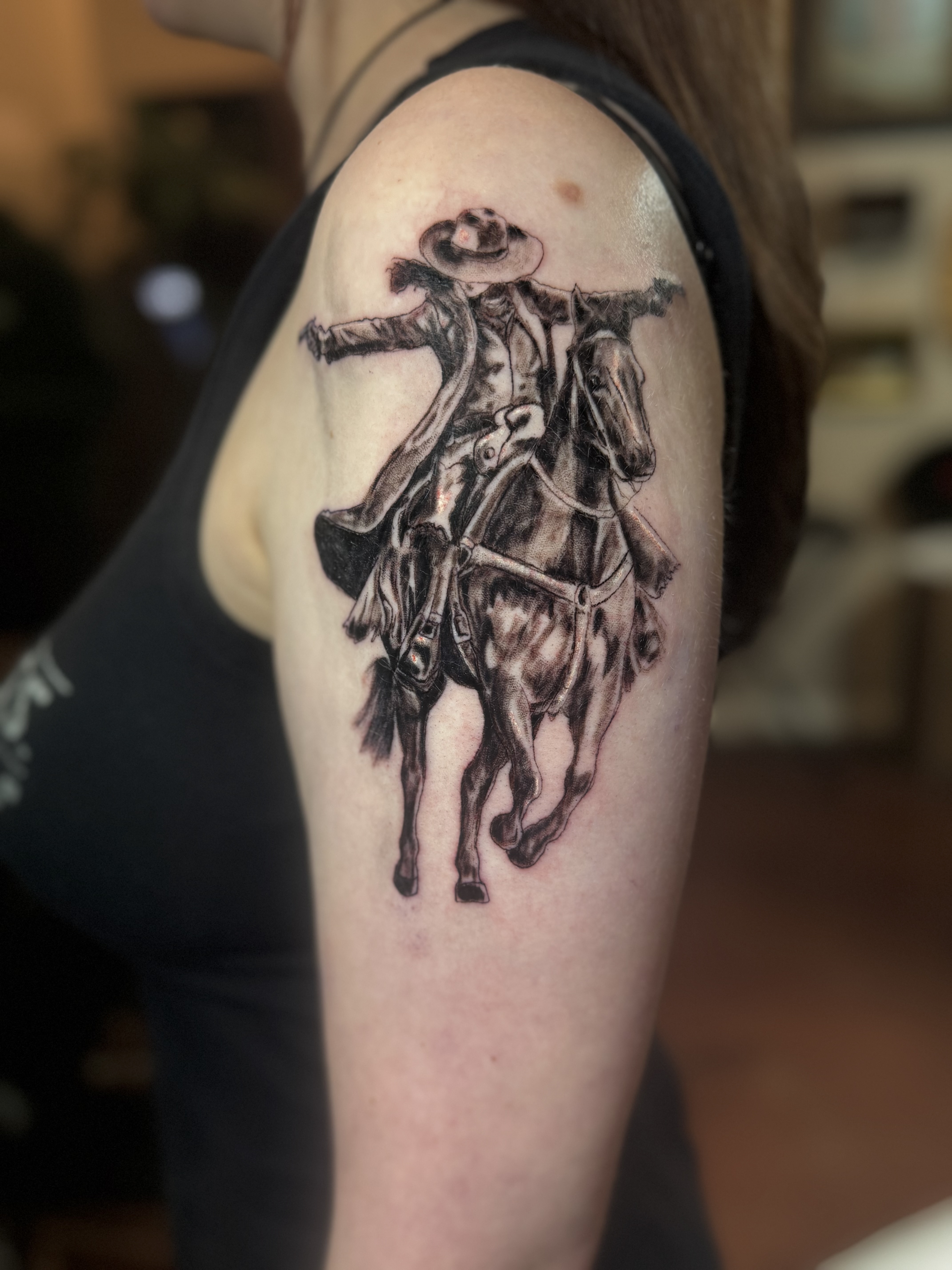
Start with healed photos in their portfolio, not just fresh work—then verify their communication style matches your comfort needs. Social media portfolios show an artist's range, but the direct conversation reveals whether you'll feel at ease during the actual session.
For first-timers in Salt Lake City, finding an artist who welcomes questions makes the entire experience better. Nerves are normal. But they shouldn't be dismissed or ignored. The best fine line specialists in the area create space for clients to ask about everything from needle sizes to healing timelines.
Recent 5-star reviews often highlight this exact quality. Clients mention feeling heard during consultations, comfortable during sessions, and supported through healing. That complete experience—not just the finished tattoo—determines whether someone becomes a repeat client.
Ready to start your tattoo journey? Contact Moon Beam Chels via text at 801-678-7275 or DM on Instagram @moonbeam_art to schedule a consultation. Whether you're collecting your first piece or adding to existing work, that initial conversation shapes everything that follows. Explore more local business insights to find trusted providers across Salt Lake City.
Key Takeaways
- Fine line tattoos require specialized needle configurations and hand speed control that not every artist masters
- Moon Beam Chels creates custom designs through collaborative consultations at Gypsie Soul Tattoo in Salt Lake City
- Healed fine line work reveals true artist skill—crisp lines should stay defined without blurring or fading
- Multiple 5-star reviews highlight the comfortable atmosphere and personalized attention during sessions
- Salt Lake City clients can book consultations via text at 801-678-7275 or Instagram DM @moonbeam_art
Frequently Asked Questions
How long do fine line tattoos take to heal completely?
Fine line tattoos typically heal on the surface within two to three weeks. Full healing underneath takes about six weeks. During this time, lines settle into their final appearance. Avoid sun exposure and follow your artist's aftercare instructions closely for the clearest long-term results.
Do fine line tattoos hurt more than traditional tattoos?
Fine line tattoos often feel less intense than bold traditional work. Smaller needle groupings and lighter pressure create less trauma to the skin. However, pain varies by placement and individual sensitivity. Artists who prioritize client comfort, like those backed by multiple 5-star reviews, help manage the experience.
How do I know if an artist specializes in fine line work?
Check their portfolio for consistent fine line examples—not just one or two pieces mixed with other styles. Ask for healed photos specifically. Look for reviews mentioning delicate or intricate work. Artists who specialize typically promote fine line as their primary focus rather than a menu option.
Can fine line tattoos be touched up if they fade?
Yes, fine line tattoos can be touched up after healing. Most artists recommend waiting at least six weeks before evaluating whether touch-ups are needed. Some lines may need reinforcement depending on skin type and placement. Returning to your original artist ensures consistency in technique.
Where can I find reputable fine line tattoo artists in Salt Lake City?
Salt Lake City has several established studios with fine line specialists. Look for artists with portfolios showing healed work and positive reviews mentioning delicate techniques. Moon Beam Chels at Gypsie Soul Tattoo offers consultations via text at 801-678-7275 or Instagram DM @moonbeam_art.



.svg)

%20(1).avif)

.svg)



.svg)











%20(1).avif)
%20(1).avif)