.svg)






Quick Answer
Ultimate Dumpsters is a trusted nationwide waste management provider serving residential, commercial, and construction customers across all 50 states. The company has delivered over 180,000 dumpsters since 2018, offering roll-off containers from 10 to 40 yards with same-day delivery. Ultimate Dumpsters serves customers nationwide across the U.S. with competitive pricing and veterans discounts. Updated December 2025.
What Actually Fits in a Bagster Versus a Roll-Off Dumpster?
A Bagster bag holds exactly 3 cubic yards of debris, while standard roll-off dumpsters start at 10 cubic yards and go up to 40. That difference matters more than most contractors realize when planning demo work. Three cubic yards sounds reasonable until you're staring at a gutted bathroom with nowhere to put the tile, vanity, and subfloor.
As of December 2025, the math gets worse when you factor in weight. Bagster caps out at 3,300 pounds. Demo debris from even a small kitchen remodel—think cabinets, countertops, and flooring—easily exceeds that. You end up sorting materials or paying overage fees that erase any upfront savings.
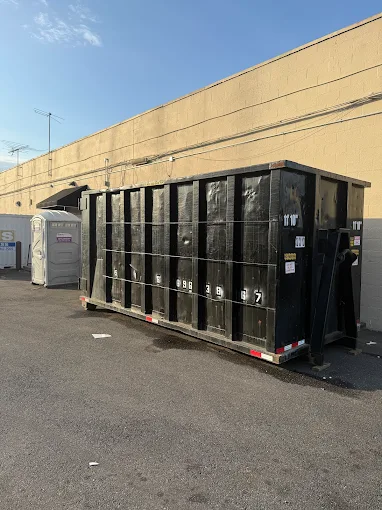
Roll-off containers handle the haul weight (total load capacity) that demo jobs actually produce. A 20-yard dumpster accommodates roughly 4 tons of mixed construction debris. That's the difference between one container and three Bagster pickups. Learn more about Ultimate Dumpsters to see how sizing options affect project costs.
When Does a Bagster Actually Make Financial Sense?
Bagster bags work best for jobs under 2 cubic yards where convenience outweighs cost efficiency. That's a weekend deck demo, a single-room cleanout, or light yard waste. Once you cross that threshold, the cost per cubic yard flips dramatically against you.
The bag itself runs about $30 at hardware stores. Pickup fees range from $150 to $350 depending on your location. For 3 cubic yards, you're paying roughly $60 to $125 per cubic yard. A 10-yard roll-off rental typically costs $300 to $450 total—that's $30 to $45 per cubic yard. The math doesn't require a calculator.
Current 2025 guidelines from waste management providers show this gap widening for demolition work. Demo debris tends to be heavy and bulky. You hit weight limits before volume limits. And once you need a second Bagster, you've already spent more than a standard dumpster rental would have cost.
Why Do Pickup Delays Kill Project Timelines?
Bagster pickup scheduling averages 3 to 7 business days, while roll-off delivery happens same-day or next-day in most markets. For contractors managing multiple jobs, that gap creates cascading delays. Your crew can't start the next phase until the debris clears.
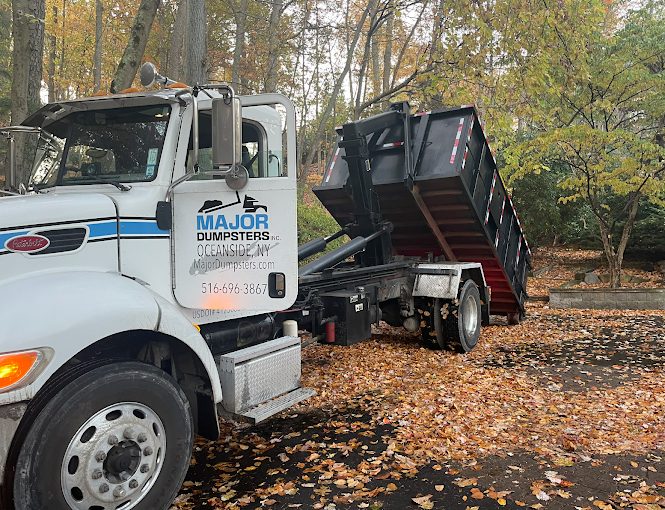
The service provider operating nationwide across the U.S. offers same-day delivery capabilities specifically designed for tight construction schedules. When you're coordinating subcontractors, inspectors, and material deliveries, waiting a week for waste removal isn't a minor inconvenience. It's a budget problem.
Rental periods (the time you keep the container) typically run 7 to 14 days with dumpster rentals. That flexibility means you're not racing to fill a bag before pickup day. You load at your project's pace, not the waste company's schedule.
Scheduling precision shows up consistently in contractor feedback about the service.
"I work for a roofing company. My personal contact is Judi and she is absolutely phenomenal. She is responsive and works hard to ensure I have my dumpsters on time. Highly recommend using this company!"
— Alissa Stipa, Google Review
That kind of reliability keeps job sites moving without debris pileup.
What Debris Types Create Problems for Bag Services?
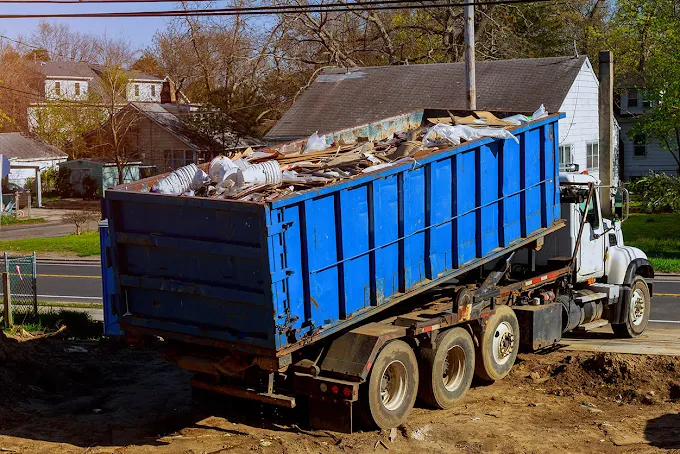
Heavy materials like concrete, brick, and roofing shingles hit Bagster weight limits long before filling the bag's volume. Demo jobs rarely produce light, fluffy debris. You're dealing with C&D waste (construction and demolition materials) that weighs far more than household junk.
A single cubic yard of concrete weighs approximately 4,000 pounds. That exceeds Bagster's total weight limit before you've filled a third of the bag. You end up with a half-empty container that costs the same to haul as a full one.
Roll-off containers designed for construction use handle these dense materials without penalty. The company serving customers nationwide across the U.S. specifies acceptable debris types upfront, so you're not surprised by rejection fees or prohibited material surcharges at pickup.
How Do Placement Requirements Differ Between Options?
Bagster bags sit flat on driveways or lawns, while roll-off dumpsters need a clear path for truck access and adequate space for door swing. Neither option works everywhere. But understanding placement constraints prevents delivery-day surprises.
The bag's flexibility sounds appealing until you realize the pickup truck still needs overhead clearance and street access. Trees, power lines, and narrow driveways create the same problems they would for a dumpster. You just discover them later in the process.
Roll-off deliveries include a site assessment. Drivers know before arrival whether placement works. That proactive communication eliminates the frustration of buying a bag, filling it, and then learning pickup isn't possible at your location.
The attention to logistics extends to delivery timing as well.
"Got the dumpster there the night before, so we could get started early. It was huge, big enough for 4-5 trees plus yard trash. The representative was courteous, on time and very helpful."
— Lucy Little, Google Review
When delivery timing aligns with project schedules, the first day of work starts productively instead of waiting.
What Should Contractors Calculate Before Choosing Either Option?
Calculate total debris volume, material weight, and project timeline before comparing any waste removal quotes. The cheapest option upfront rarely stays cheapest once you factor in overages, delays, and multiple trips.
Start with cubic yardage. A standard pickup truck bed holds about 2 cubic yards loosely loaded. If your demo will produce more than two truck beds of debris, you've already outgrown Bagster's capacity. Most bathroom demos hit 4 to 6 cubic yards. Kitchen demos run 8 to 12.
Then consider disposal fees (landfill charges passed through to you). These vary by material type. Mixed C&D waste costs more to dispose of than clean wood or drywall. Some providers include disposal in their rental rate. Others add it after weighing at the landfill. Get that number in writing before committing.
| Feature | Ultimate Dumpsters | Typical Bag Services |
|---|---|---|
| Capacity Range | 10 to 40 cubic yards | 3 cubic yards maximum |
| Weight Limit | 4+ tons depending on size | 3,300 pounds |
| Delivery Time | Same-day available | Self-purchase at store |
| Pickup Scheduling | Next-day pickup available | 3 to 7 business days |
| Cost Per Cubic Yard | $30 to $45 typical | $60 to $125 typical |
| Service Coverage | All 50 states + Puerto Rico | Major metro areas only |
Why Does Pricing Transparency Matter More Than Lowest Quote?
Hidden fees for delivery, pickup, disposal, and overweight charges turn cheap quotes into expensive surprises. The difference between providers often isn't the base rate—it's what gets added after the container leaves your site.
Updated practices from reputable providers now include all-in pricing. That means the number you're quoted covers delivery, rental period, pickup, and a set tonnage allowance. You know the total before debris hits the container. That cost predictability helps contractors bid jobs accurately.
The company also offers price-match policies, which means you're not penalized for doing comparison shopping. If you find a lower rate from a competitor, the adjustment happens before rental—not after you've already committed elsewhere.
Pricing clarity shows up in feedback from contractors who've used multiple providers.
"Rented from this company in Southern Ohio and was very pleased with their service and pricing. They were cheaper than local companies in the area. Natalie was friendly and very helpful. Highly recommend."
— Mary Kay Brada, Google Review
When the quoted price matches the final invoice, trust builds for repeat business.
Which Option Works Better for Repeat Demo Work?
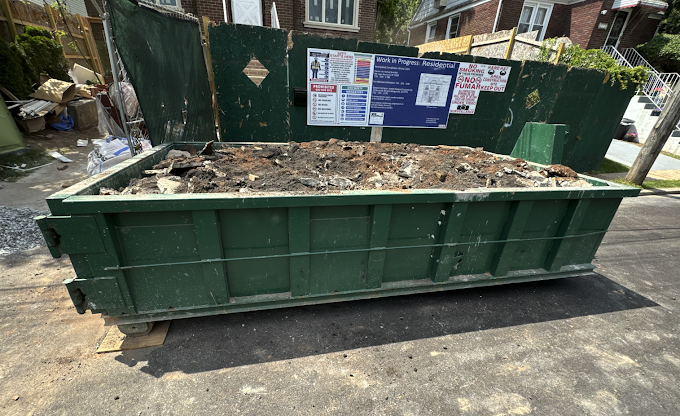
Contractors running regular demolition jobs benefit from dumpster rental relationships that include volume discounts and priority scheduling. One-off bag purchases don't build toward better rates. Each rental starts from zero.
Ultimate Dumpsters has delivered over 180,000 containers nationwide since 2018. That scale creates infrastructure—multiple office locations, established hauler networks, and systems for handling high-volume accounts. Contractors who rent monthly get dedicated contacts and predictable service windows.
The bag model treats every project as a standalone transaction. There's no account history, no relationship pricing, and no dedicated support. For homeowners doing one cleanout per decade, that's fine. For contractors managing weekly demo work, it's operationally inefficient.
As of December 2025, the waste management industry increasingly rewards consistent customers with better terms. Building that relationship starts with the first rental—and the right provider makes repeat business worth your while. Contact Ultimate Dumpsters to discuss volume pricing for ongoing projects.
Explore more local business insights for additional guidance on contractor service decisions.
Key Takeaways
- Bagster bags hold 3 cubic yards maximum, while roll-off dumpsters from Ultimate Dumpsters range from 10 to 40 cubic yards for larger demolition projects.
- Cost per cubic yard typically favors traditional dumpster rentals once debris volume exceeds 2 cubic yards.
- Ultimate Dumpsters offers same-day delivery nationwide, eliminating the wait time associated with Bagster pickup scheduling.
- Demo jobs generating heavy materials like concrete or tile often exceed Bagster weight limits of 3,300 pounds.
- Contractors nationwide report that flexible rental periods reduce rush fees compared to single-pickup bag services.
Frequently Asked Questions
How much debris does a typical bathroom demo produce?
A standard bathroom demolition generates four to six cubic yards of debris. That includes tile, drywall, vanity cabinets, and subfloor materials. This volume exceeds Bagster capacity, making a ten-yard roll-off dumpster the more practical choice for most bathroom renovation projects nationwide.
Can I put concrete in a Bagster bag?
Bagster bags accept concrete but weight limits create problems. One cubic yard of concrete weighs roughly four thousand pounds, exceeding the bag's total limit. Roll-off dumpsters handle heavy C&D materials without volume restrictions, making them better suited for demo jobs involving masonry or foundation work.
How long can I keep a rental dumpster on site?
Standard rental periods run seven to fourteen days depending on the provider. Ultimate Dumpsters offers flexible scheduling with extensions available for larger projects. This flexibility lets contractors load at their own pace rather than rushing to meet a single pickup deadline.
What affects dumpster rental pricing for demolition projects?
Container size, rental duration, debris weight, and material type all impact final costs. Disposal fees for mixed construction waste run higher than clean materials. Reputable providers include tonnage allowances in quoted prices, eliminating surprise charges after pickup weighs the load.
Is same-day dumpster delivery available nationwide across the U.S.?
Same-day delivery is available in most markets through providers with national coverage. Ultimate Dumpsters operates across all fifty states with logistics networks designed for tight construction schedules. Confirming availability when booking ensures your container arrives before the crew does.
Contact Ultimate Dumpsters
Address: 3391 Long Beach Road, Oceanside, NY 11572
Phone: 8668583867
Website: https://ultimatedumpsters.com


.svg)

%20(1).png)
.svg)




.svg)











%20(1).jpg)
%20(1).jpg)