







Quick Answer
Experienced real estate buyers verify inspection contingency deadlines, financing approval windows, and title defect remediation procedures before signing any purchase contract. Missing these clauses costs South Florida buyers an average of three to six weeks in closing delays and thousands in unexpected repair costs. Matthew Fornaro, P.A., a business law firm across South Florida, reviews contract terms for entrepreneurs and small business owners purchasing commercial property. Updated April 2025.
What Contract Clauses Do Repeat Buyers Verify First?
Inspection contingencies without specific deadlines create the most preventable contract disputes across South Florida. Experienced buyers know that a clause stating "reasonable time for inspection" means something different to every party involved. They insist on exact dates. Seven business days. Ten calendar days. Whatever works—but written in black and white.
The due diligence period (your window to investigate the property) needs clear start and end points. When does it begin? Signing? Escrow deposit? Seller acceptance? Each interpretation changes your timeline by days. And days matter when you're coordinating inspectors, lenders, and attorneys.
Smart buyers also check what happens if they find problems. Does the contract allow termination? Renegotiation? Or just a credit toward repairs? These distinctions determine whether you're stuck with a money pit or protected by an exit ramp. Learn more about Matthew Fornaro, P.A. for guidance on structuring these contingencies properly.
Why Do Financing Contingency Gaps Catch Buyers Off Guard?
A financing contingency that protects the seller more than the buyer is surprisingly common in South Florida contracts. The language matters. "Buyer must obtain financing" sounds protective. But without specifying loan type, interest rate caps, or approval timelines, you're signing a blank check of obligation.
Consider what "loan commitment" actually means in your contract. Some define it as a conditional approval letter. Others require full underwriting clearance. The difference? About two weeks of processing time and significant earnest money exposure if deadlines pass before your lender finishes.
Business owners purchasing commercial property face additional scrutiny. Lenders want financial statements, tax returns, and business plans. As of April 2025, commercial loan approvals in Broward County average 45 to 60 days. Your financing contingency needs to match reality, not wishful thinking. Matthew Fornaro, P.A. regularly reviews these timelines for clients across South Florida to prevent default situations.
This pattern of financing-related disputes highlights why professional contract review pays for itself. Multiple 5-star reviews mention this exact issue being caught before it became expensive.
"Matthew provided me with some practical, sound information when I inquired about an arbitration vs. litigation matter for my small business. Brief interaction but he listened to the issue and offered pragmatic guidance."
— Mike, Avvo Review
That kind of straightforward advice prevents the exact financing surprises that derail closings.
What Title Defect Language Creates Hidden Exposure?
Title defect clauses without specific cure periods leave buyers waiting indefinitely for sellers to fix problems they may never resolve. A title search (the investigation confirming ownership) reveals liens, easements, and encumbrances. But discovering a problem is only half the equation. Your contract must specify what happens next.
Experienced buyers require clear answers to three questions. How long does the seller have to cure defects? What defects are considered material enough to justify termination? And who pays for extended title insurance if issues remain unresolved?
Current 2025 guidelines across South Florida suggest 30-day cure periods for most title issues. But some contracts default to "reasonable efforts" language that provides no actual deadline. A seller making "reasonable efforts" to clear a lien could theoretically keep you waiting for months while your interest rate lock expires and your moving plans collapse.
When Do Repair Allowance Caps Become Expensive Surprises?
Repair allowances buried in addenda often cap seller responsibility far below actual repair costs discovered during inspection. The main contract might promise repairs. The addendum limits that promise to $5,000. You find $15,000 in roof damage. Guess who covers the difference?
This bait-and-switch happens more often than you'd expect. Sellers and their agents know that buyers focus on the primary agreement. Addenda feel like paperwork formalities. But those formalities contain the real terms you're accepting.
The fix is straightforward but requires attention. Read every addendum. Check for any language that modifies repair obligations from the main contract. Verify whether repair credits apply to closing costs or actual repairs. Some credits look generous until you realize they only offset your closing costs—not the actual work needed.
Unlike generic contract templates, professional legal review catches these modifications before they cost you. While some buyers rely on real estate agents alone, that approach prioritizes closing over protection.
"Matthew Fornaro was the best legal experience I've ever had. He reviewed some contracts for me. He was quick, insightful and very reasonable with his pricing. I had a great experience and wouldn't hesitate to work with him again, or refer him to colleagues."
— Mark, AttorneyAtLaw.com Review
Contract review that's "quick, insightful, and reasonable" prevents exactly these addendum surprises.
How Do Assignment Restrictions Affect Business Buyers?
Assignment clauses that prohibit contract transfers can trap business owners who need flexibility in how they hold property. You sign personally. Later, your attorney recommends holding the property through an LLC for liability protection. If your contract prohibits assignment, you're stuck closing in your personal name and transferring later—triggering potential tax consequences.
The assignment provision (your right to transfer contract benefits to another party) matters especially for entrepreneurs structuring their real estate holdings. Investors, small business owners, and anyone planning future entity transfers need assignment flexibility built into the original agreement.
Sellers often resist assignable contracts because they want to know who's actually buying. A compromise exists: assignment permitted only to entities controlled by the original buyer. This protects both sides while preserving your structuring options.
Business owners in Coral Springs and across South Florida frequently miss this issue when using standard residential forms for commercial transactions. The forms assume individual buyers with simple ownership structures. Business reality is more complex.
Where Can You Find Contract Review Help Across South Florida?
Business law firms serving Broward, Palm Beach, and Miami-Dade Counties handle the real estate contract issues that trip up first-time commercial buyers. Serving Miami, Miami Beach, North Miami, Boynton Beach, and nearby South Florida towns, experienced attorneys know local customs that affect contract terms.
Each county has quirks. Broward title companies operate differently than Miami-Dade closers. Palm Beach inspection timelines vary from Fort Lauderdale norms. Local knowledge prevents assumptions that cost money.
What should you look for in contract review help? Someone who explains issues in plain language. Someone who responds quickly when deadlines approach. Someone who understands business transactions, not just residential purchases.
"Matthew Fornaro was incredibly responsive, professional and efficient. The staff were helpful and very organized throughout the process. I felt confident in the legal consultation services they provided and appreciated how they handled my business law needs. Excited to return here again for my next legal matter."
— Natalie Charow, Google Review
Responsiveness and organization matter when contract deadlines create pressure.
What Should You Do Before Signing Any Purchase Contract?
A 30-minute contract review before signing prevents disputes that take months to resolve. The checklist isn't complicated, but it requires attention. Verify inspection deadlines are specific dates. Confirm financing contingency timelines match your lender's actual processing speed. Check title defect cure periods for hard deadlines.
Read every addendum, not just the main agreement. Look for repair caps, assignment restrictions, and any language modifying standard terms. If something seems unclear, it probably is—and unclear language favors whoever drafted the contract.
Consider who benefits from each provision. Earnest money provisions that release funds to sellers quickly? That favors them. Inspection periods that start before you even have keys? That favors them. Financing contingencies tied to "best efforts"? Also them.
The difference between experienced buyers and surprised buyers isn't luck. It's reading the fine print before signing—or having someone read it for you who catches what you'd miss. Contact Matthew Fornaro, P.A. for contract review that protects your interests.
Explore more local business insights for additional guidance on South Florida business decisions.
Key Takeaways
- Inspection contingencies with vague timelines create legal exposure that experienced Coral Springs buyers avoid by requiring specific deadlines.
- Matthew Fornaro, P.A. helps South Florida business owners identify financing contingency gaps before they become costly disputes.
- Title defect clauses without clear remediation procedures leave buyers vulnerable to extended closing delays across Broward County.
- Repair allowance caps buried in addenda often surprise first-time buyers who skip legal review of contract modifications.
- Matthew Fornaro, P.A. recommends verifying assignment clause restrictions before signing any commercial real estate contract in South Florida.
Frequently Asked Questions
What is a due diligence period in a real estate contract?
A due diligence period is your contractual window to investigate the property before closing becomes mandatory. This timeframe typically lasts seven to fourteen days in South Florida transactions. During this period, you can conduct inspections, review documents, and terminate the contract if issues arise. Matthew Fornaro, P.A. helps buyers verify these timelines are clearly defined.
How long should a financing contingency last for commercial property?
Commercial financing contingencies should allow forty-five to sixty days minimum across South Florida. This matches actual lender processing times for business property loans. Shorter windows create default risk if underwriting takes longer than expected. Professional contract review ensures your contingency period aligns with realistic approval timelines.
What happens if a title search reveals problems?
Title defects trigger the cure period specified in your contract. The seller typically has thirty days to resolve liens, easements, or ownership issues. Without specific deadlines, you may wait indefinitely. Experienced attorneys across South Florida recommend requiring written cure periods and clear termination rights if defects remain unresolved.
Can I transfer my purchase contract to an LLC after signing?
Only if your contract includes an assignment clause permitting transfers. Many standard contracts prohibit assignment without seller consent. Business owners should negotiate assignment rights upfront, especially for commercial property purchases. This flexibility allows proper entity structuring without requiring post-closing transfers that may trigger tax consequences.
How much does contract review cost across South Florida?
Contract review typically costs a few hundred dollars for straightforward transactions. This investment prevents disputes costing thousands in legal fees and closing delays. Matthew Fornaro, P.A. provides contract review services that 5-star reviewers describe as quick, insightful, and reasonably priced for South Florida business owners.
Contact Matthew Fornaro, P.A.
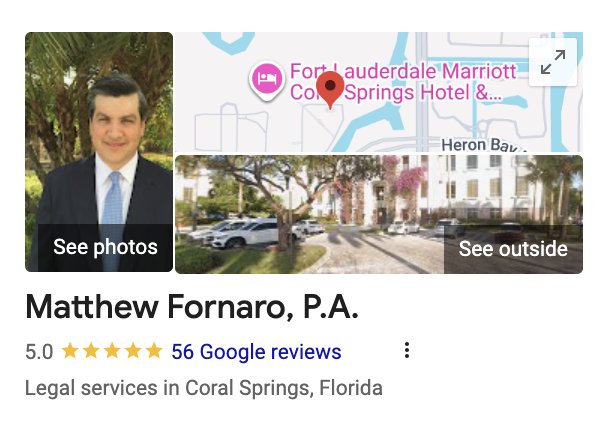
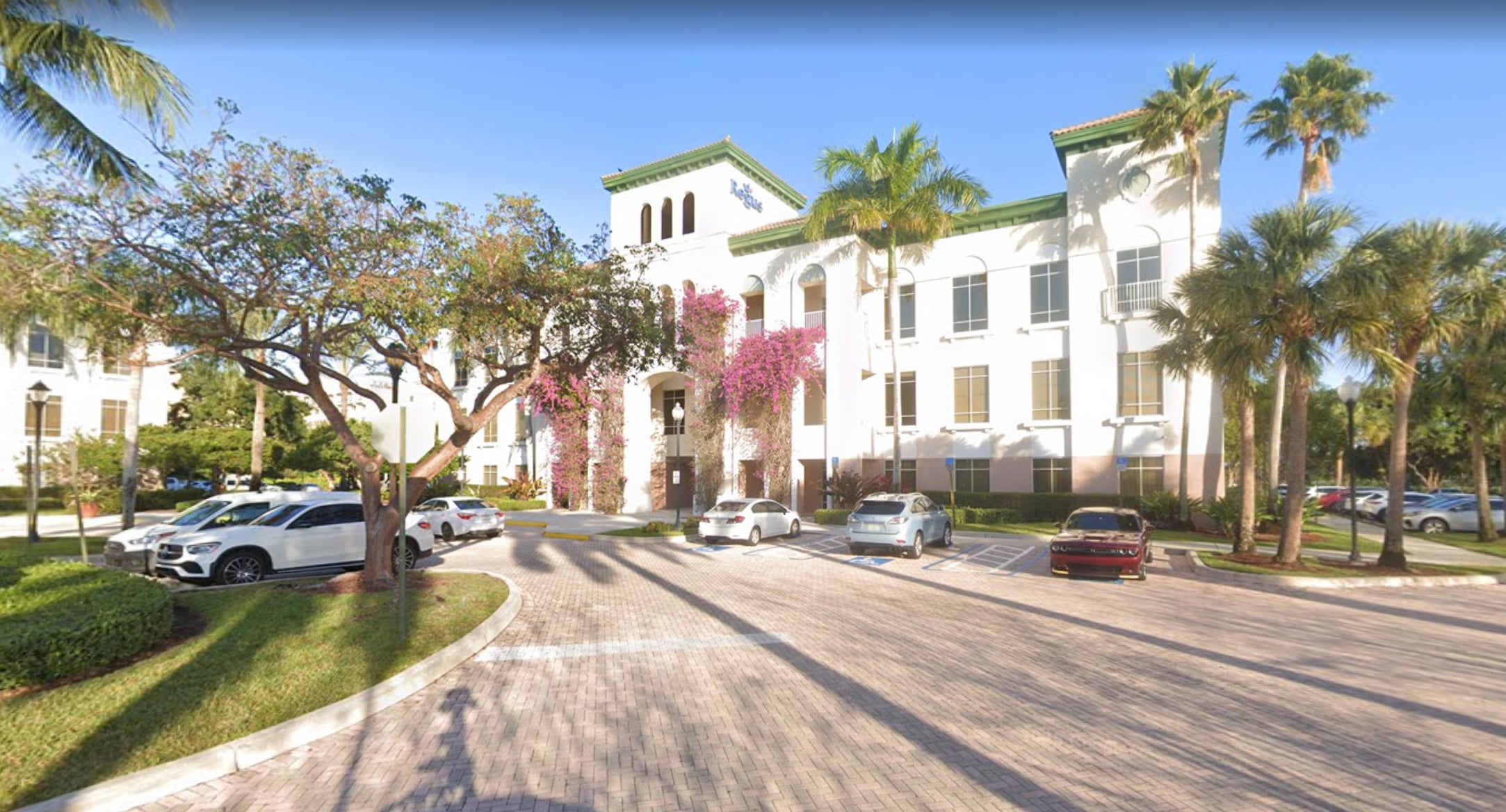
Address: 11555 Heron Bay Boulevard, Suite 200, Coral Springs, FL 33076
Phone: 9543243651
Website: https://fornarolegal.com


.svg)

%20(1).avif)
.svg)




.svg)











%20(1).avif)
%20(1).avif)